Unfamiliar Turkey — The Black Sea Coast
For the past four years, I have traveled only within Turkey, and that is a conscious choice. This relatively small country contains such a variety of landscapes, cultures, and experiences that my list of places I want to visit never seems to get any shorter.
It is enough to note that Turkey is one of the few countries in the world that borders four seas at once: the Black Sea, the Sea of Marmara, the Aegean Sea, and the Mediterranean Sea.
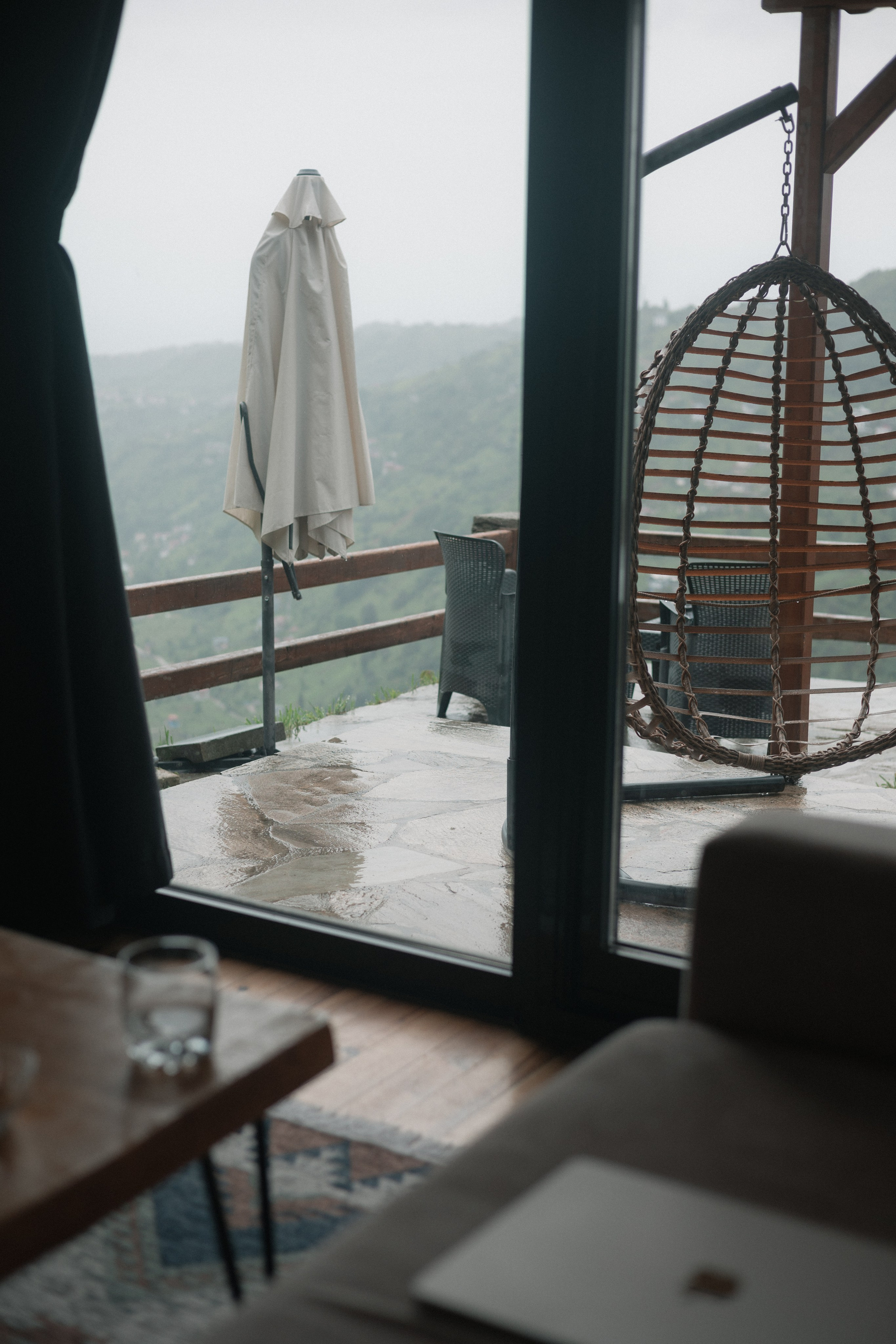
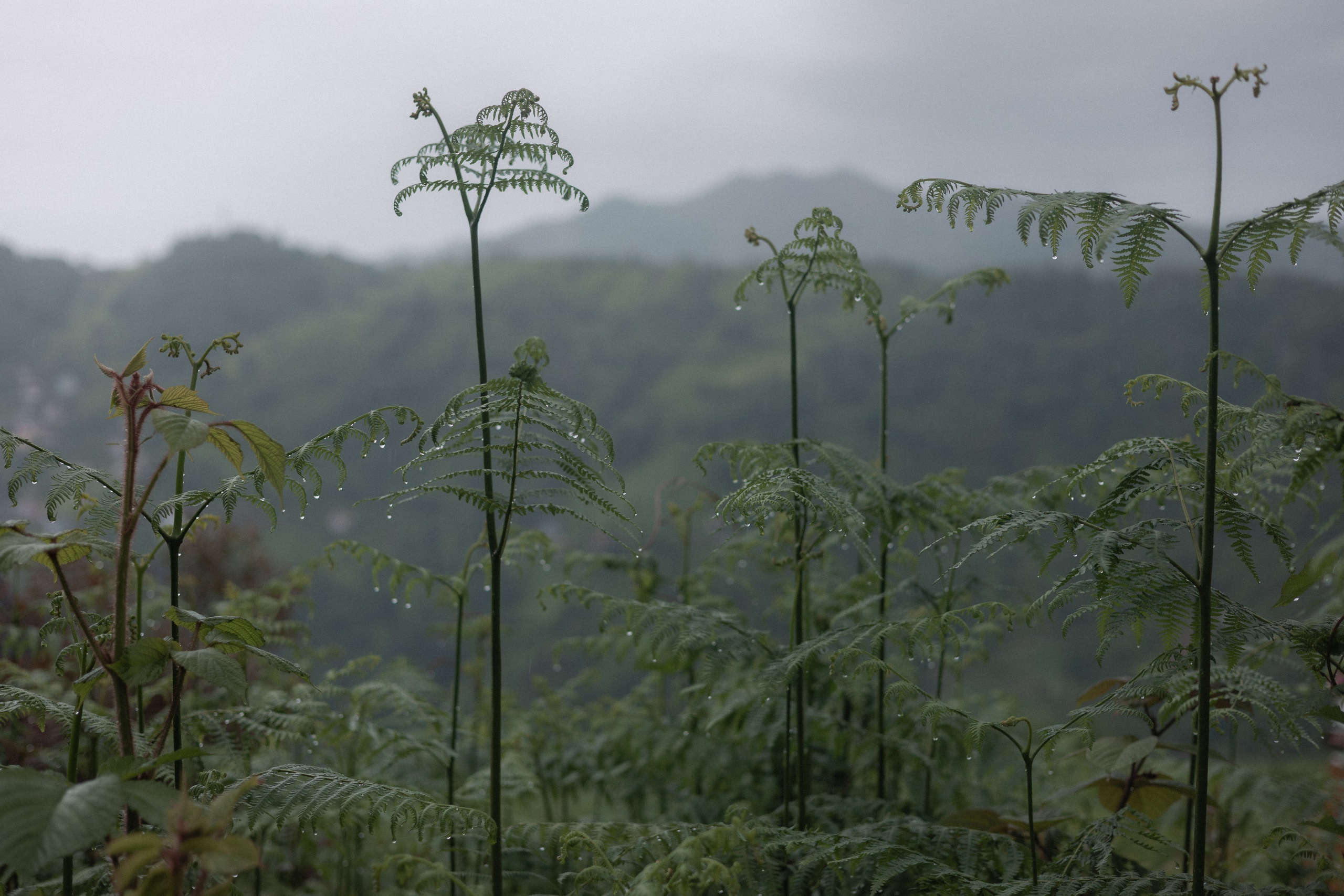
Our trip to northern Turkey — the Black Sea coast (Karadeniz in Turkish) — was originally planned for the autumn of last year. However, locals advised us against it because of the heavy rains that last from October through April, so we postponed it until May. As it turned out, May was rainy as well — it was either raining already or about to start at any moment.
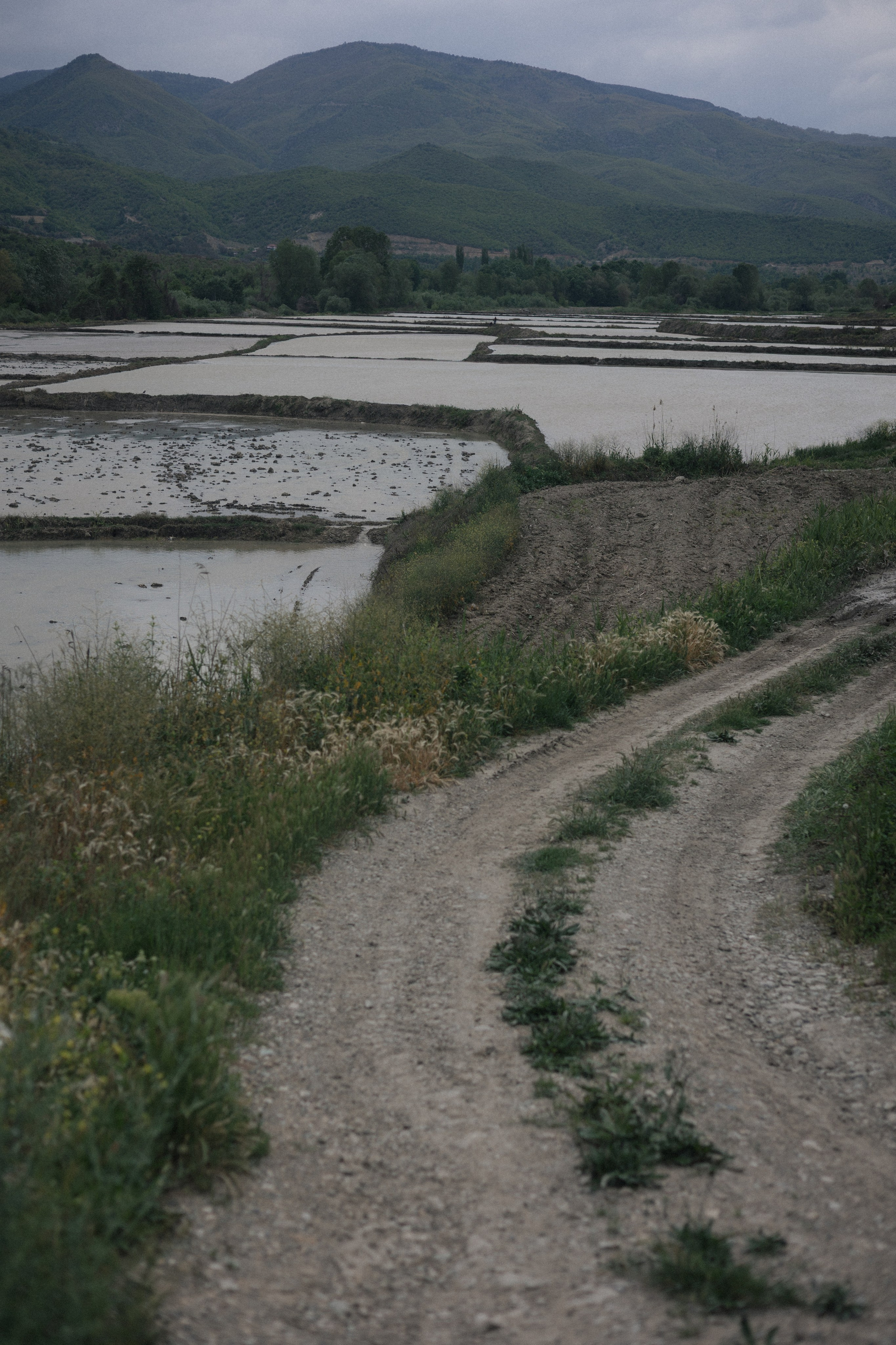
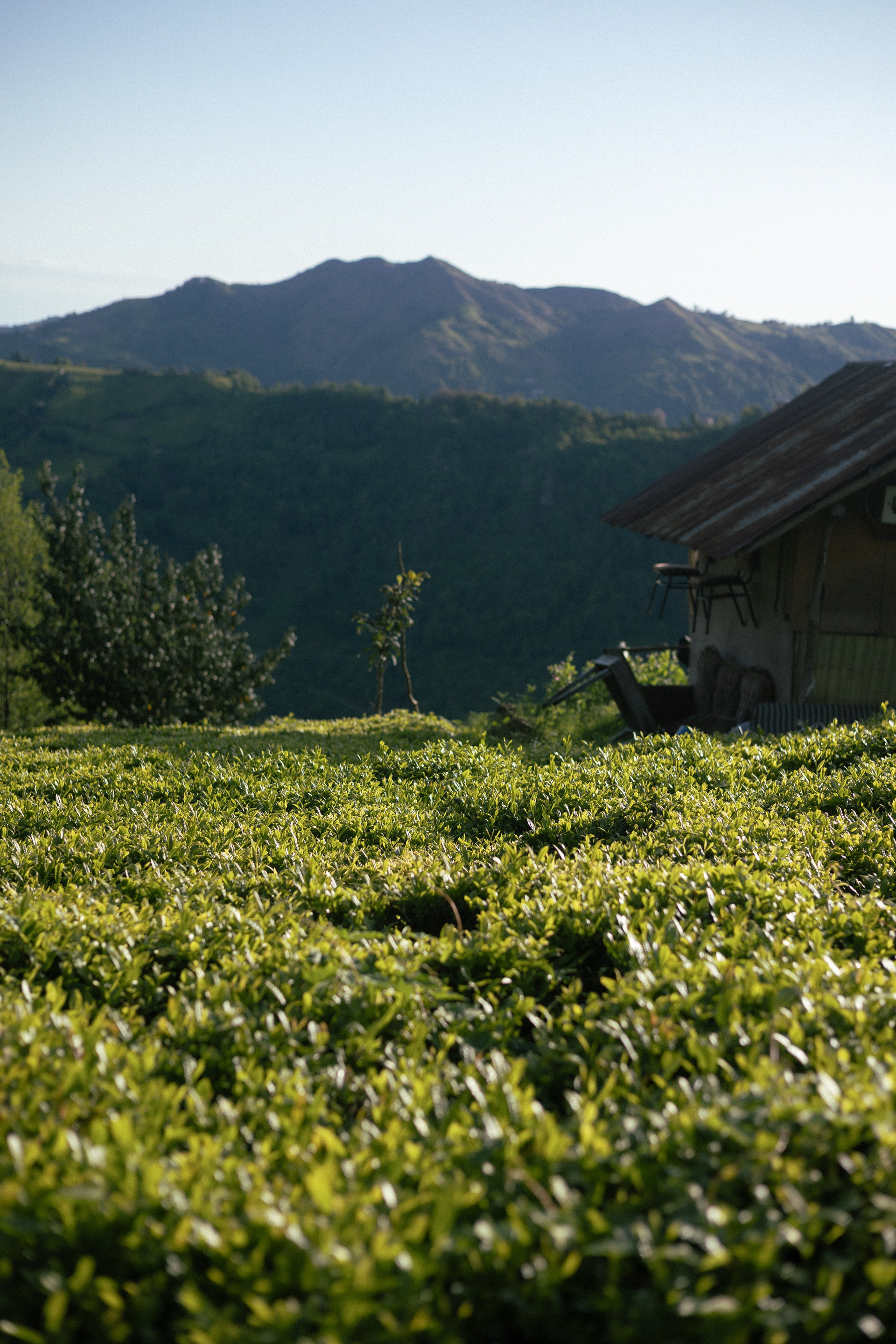
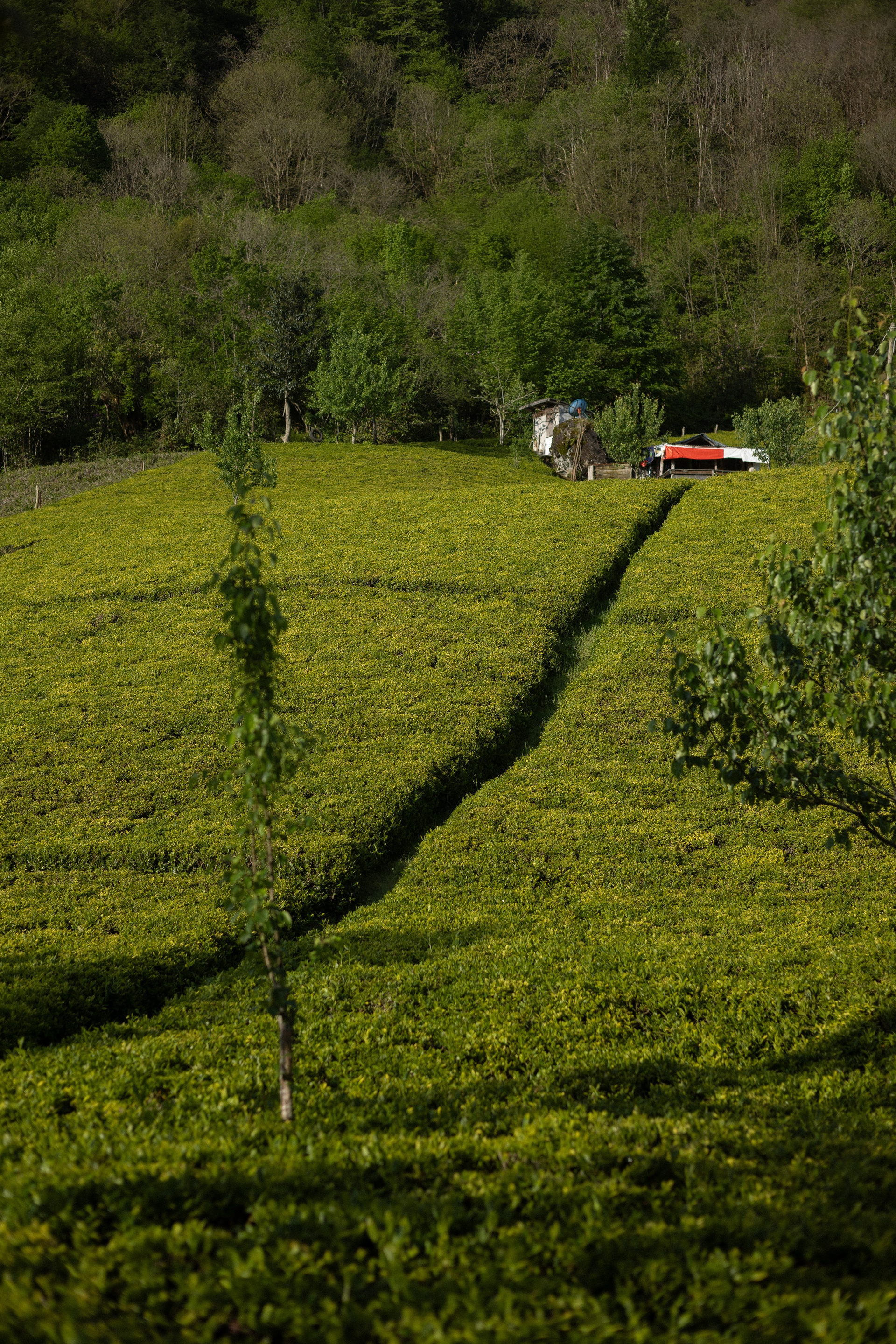
Thanks to this humid climate, the region is famous for rice cultivation and for producing Turkey’s beloved tea.
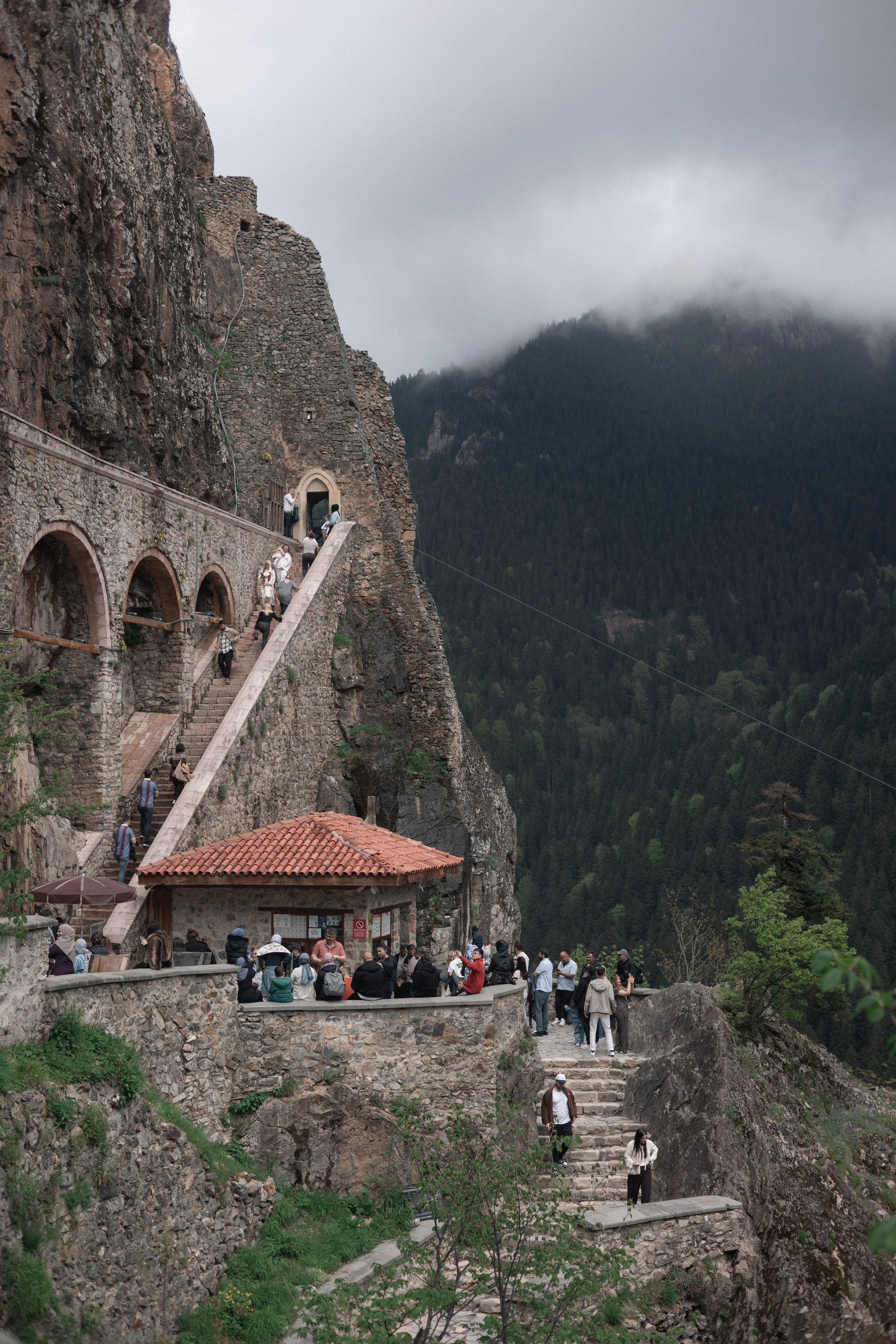
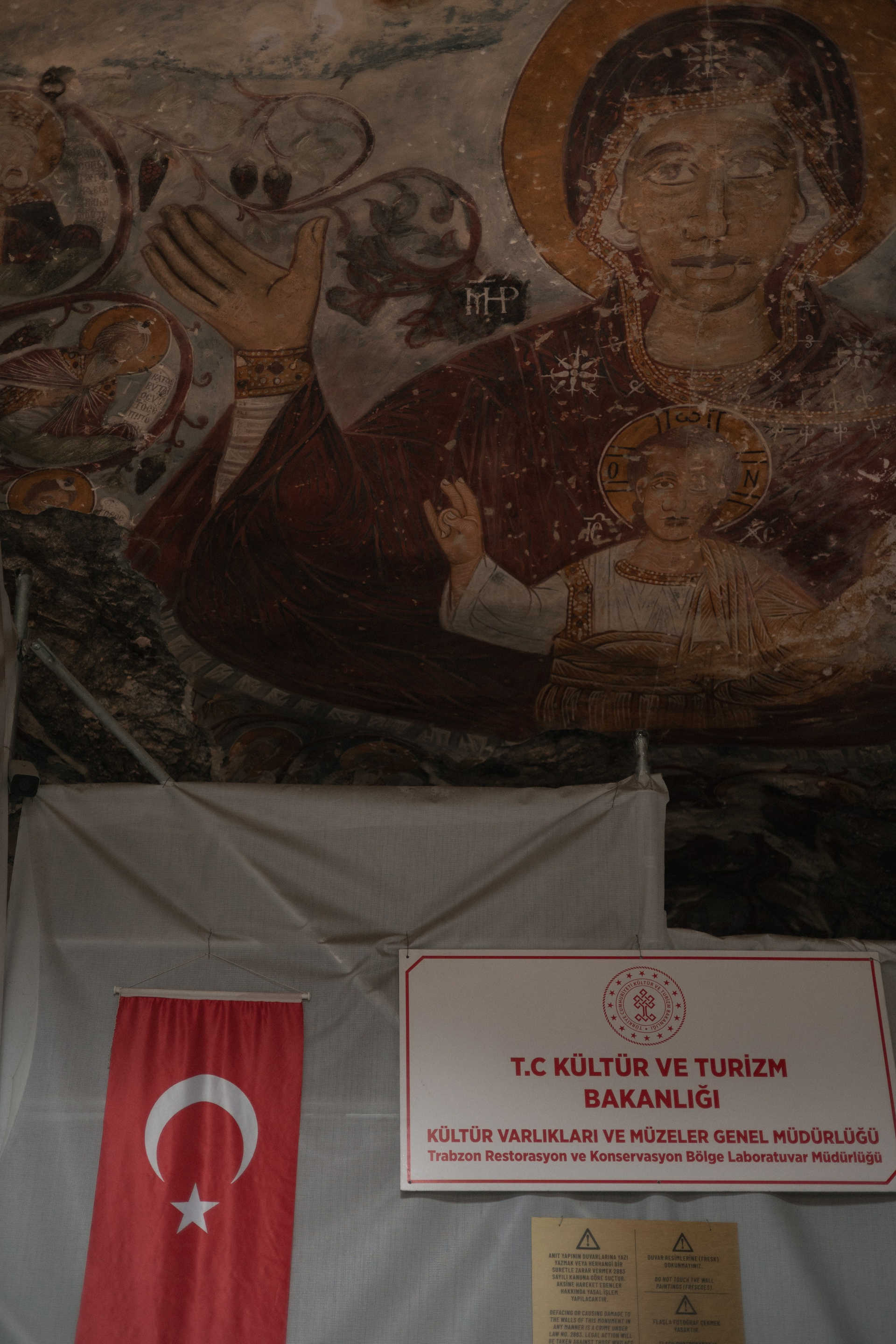
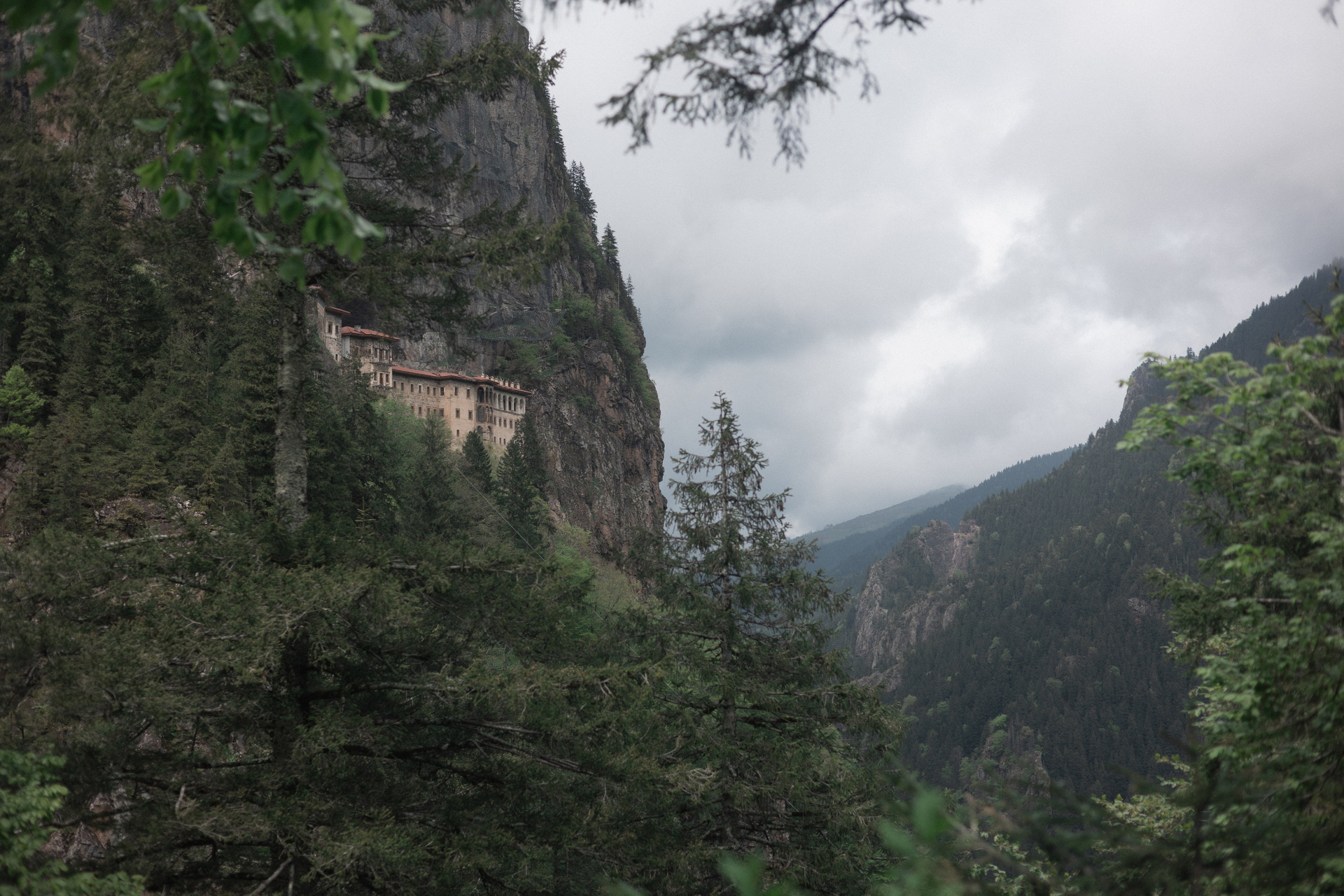
Tea itself became my first reason for making this journey. I wanted to see the tea plantations of Rize, the birthplace of Turkish tea. My second destination was Trabzon — the city where Sultan Suleiman was born and home to the famous cliffside Sumela Monastery, heavily featured in Turkish Airlines promotional videos.
All of this lies roughly 1,200 kilometres from Istanbul, so we chose the other cities mainly as overnight stops along the way — places that turned out to be worth visiting in their own right.
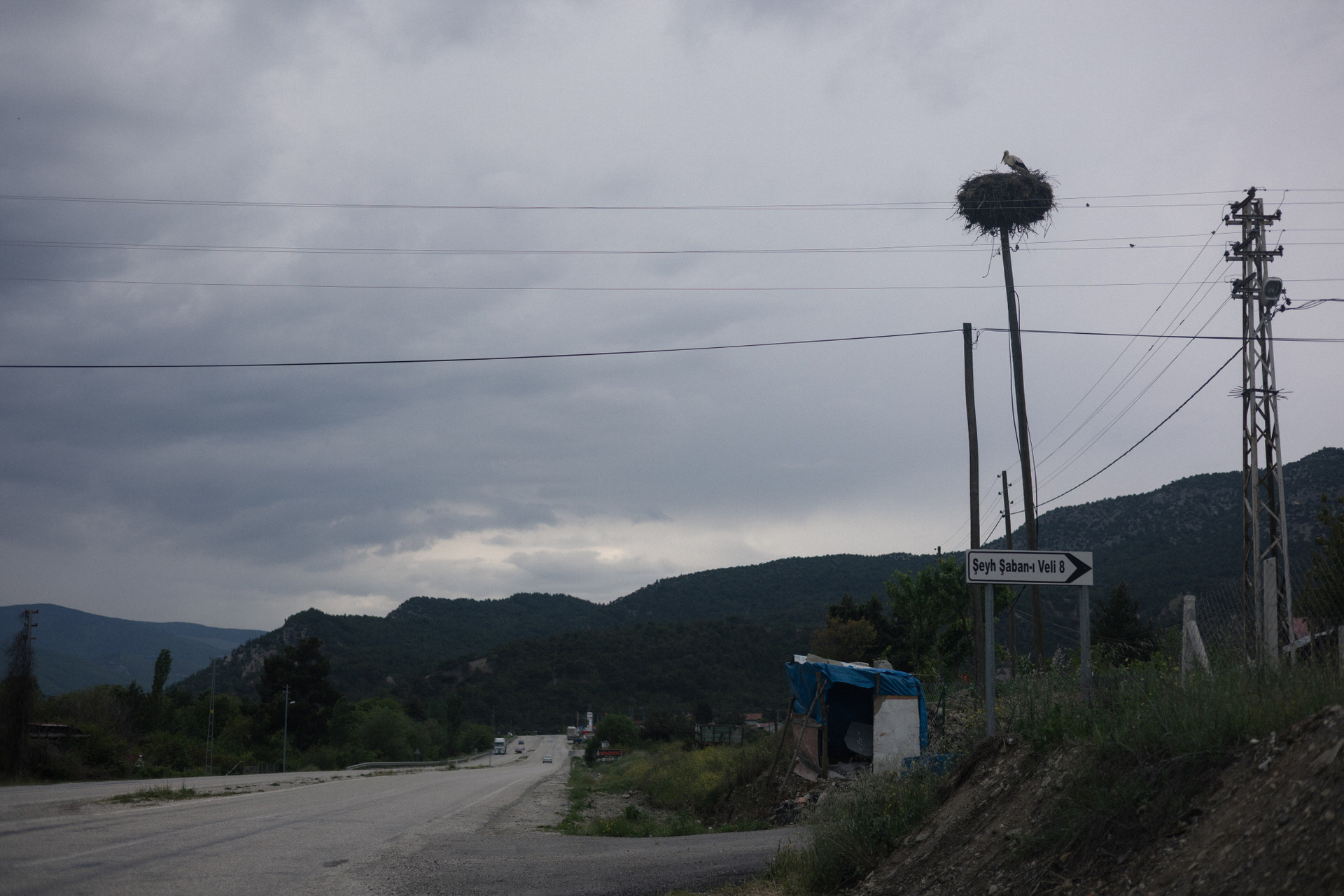
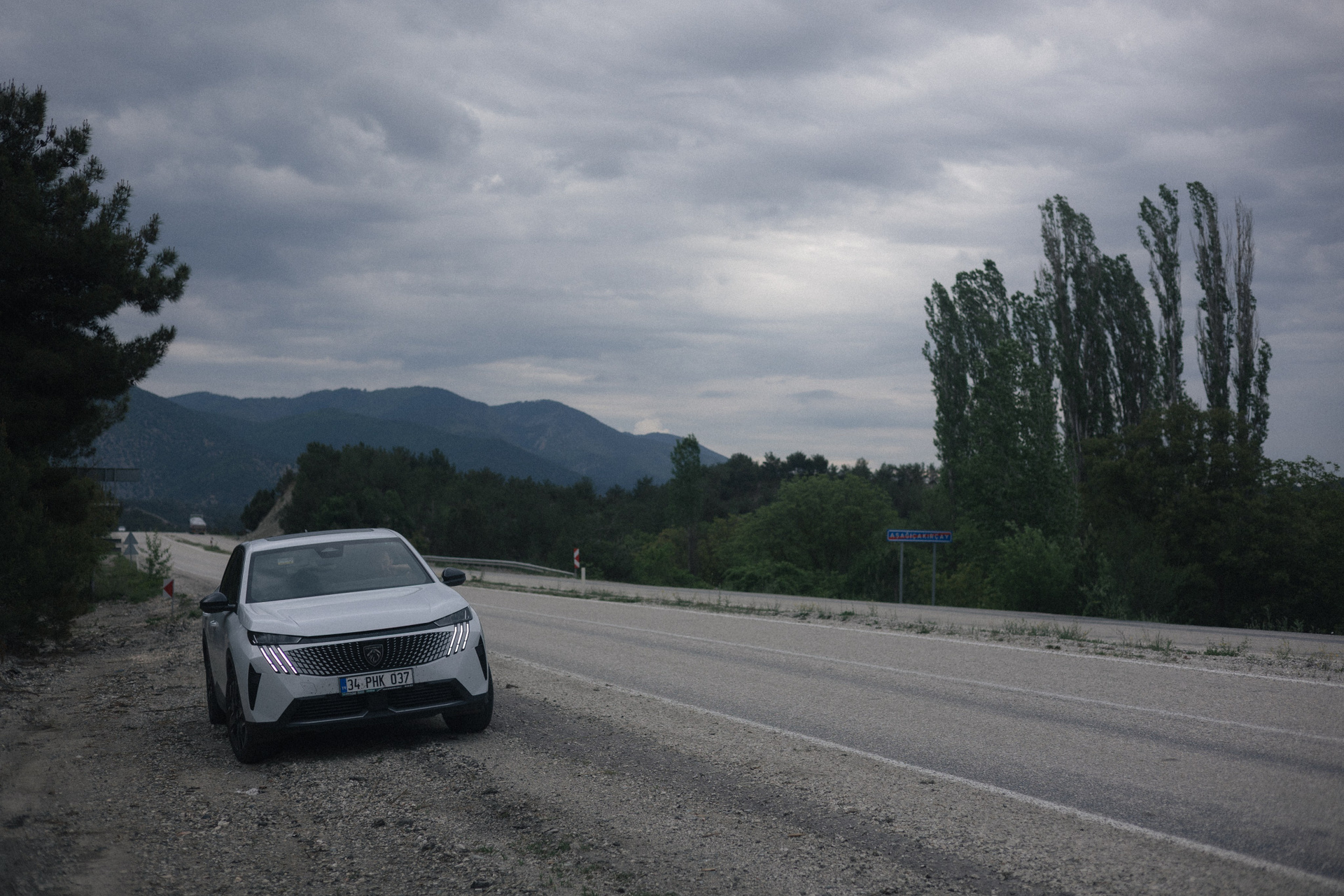
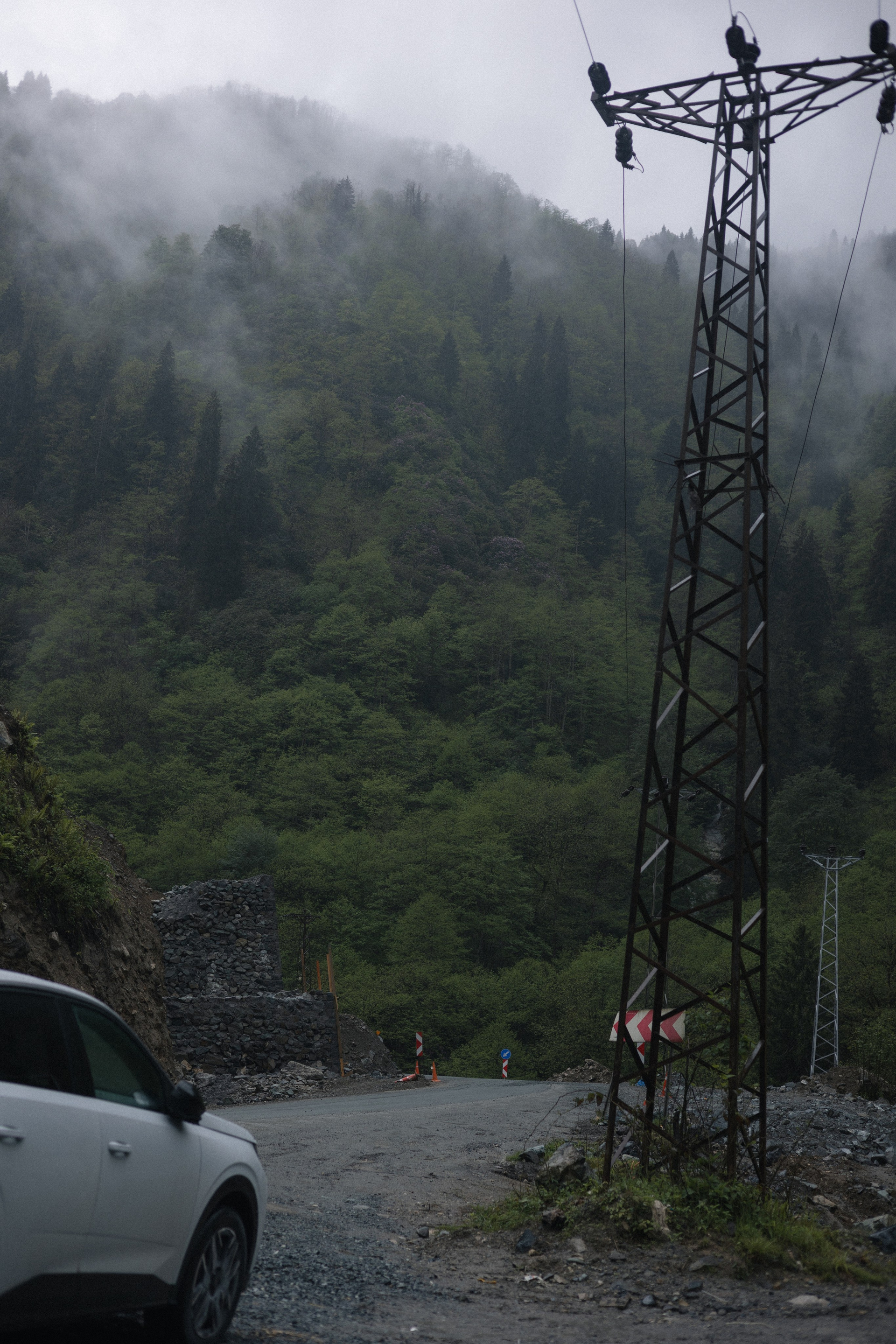
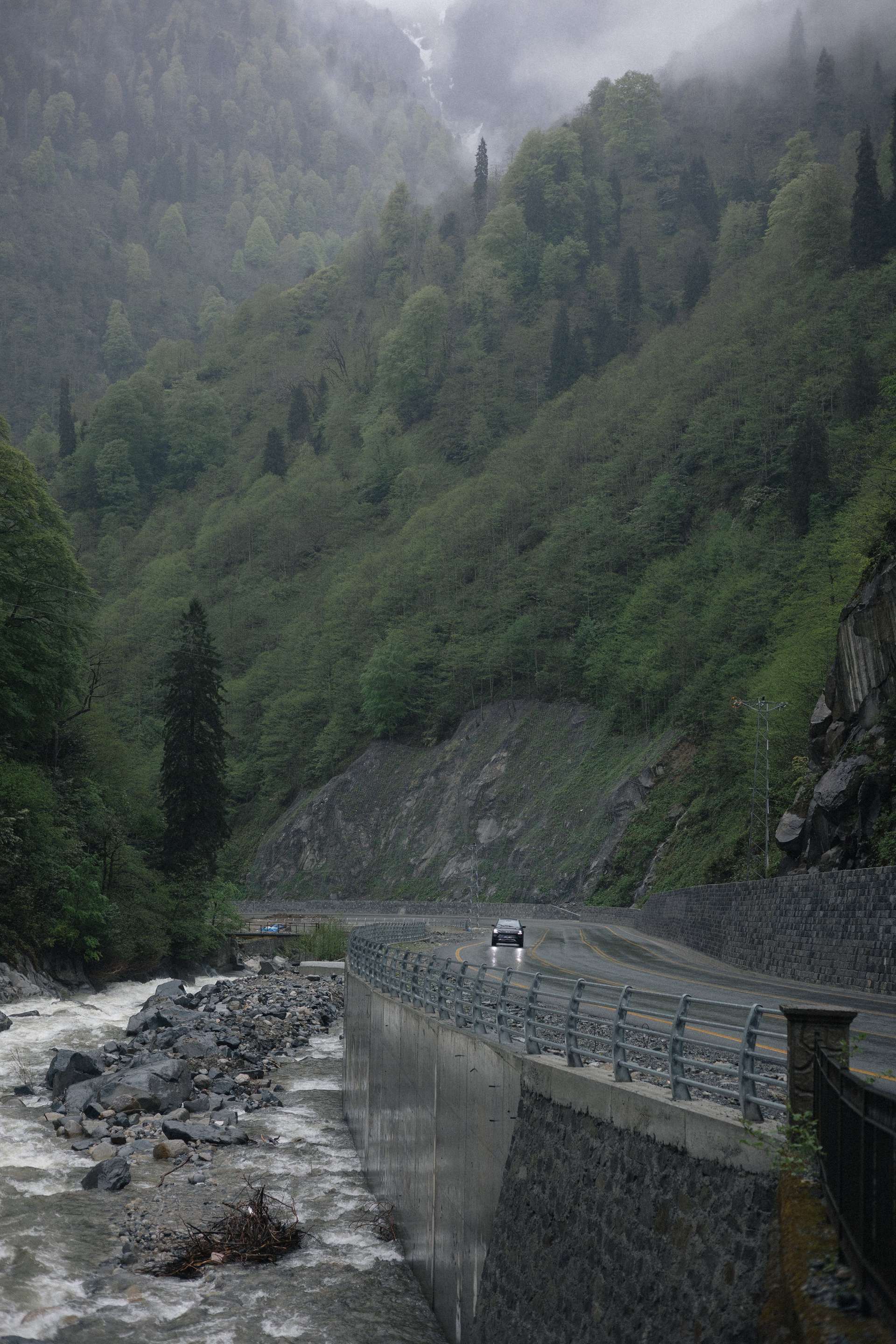
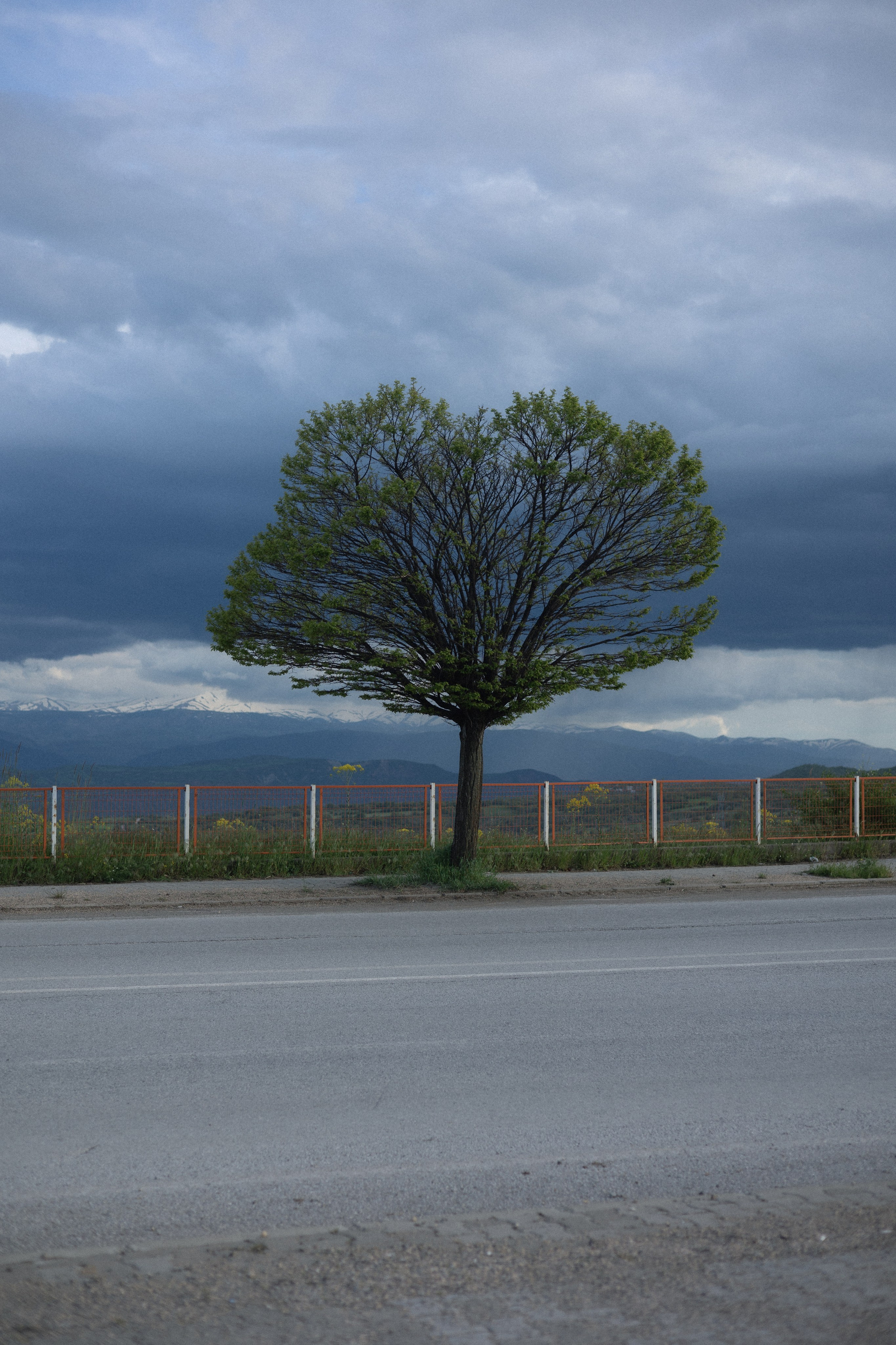
We always plan our own routes and travel by car. In Turkey, the road itself is part of the journey. Within just a few hours, both the scenery and the weather outside the window can change completely.
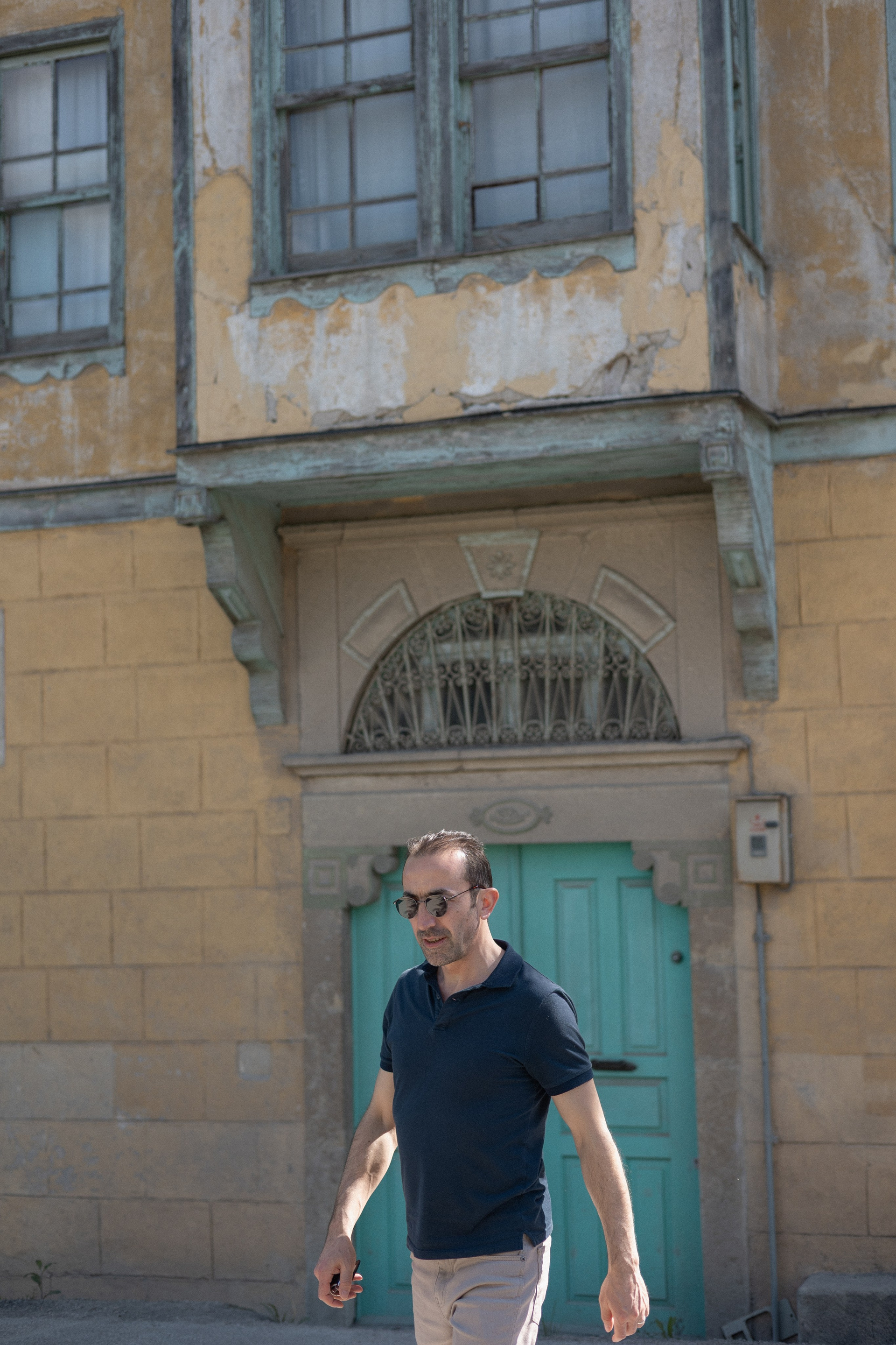
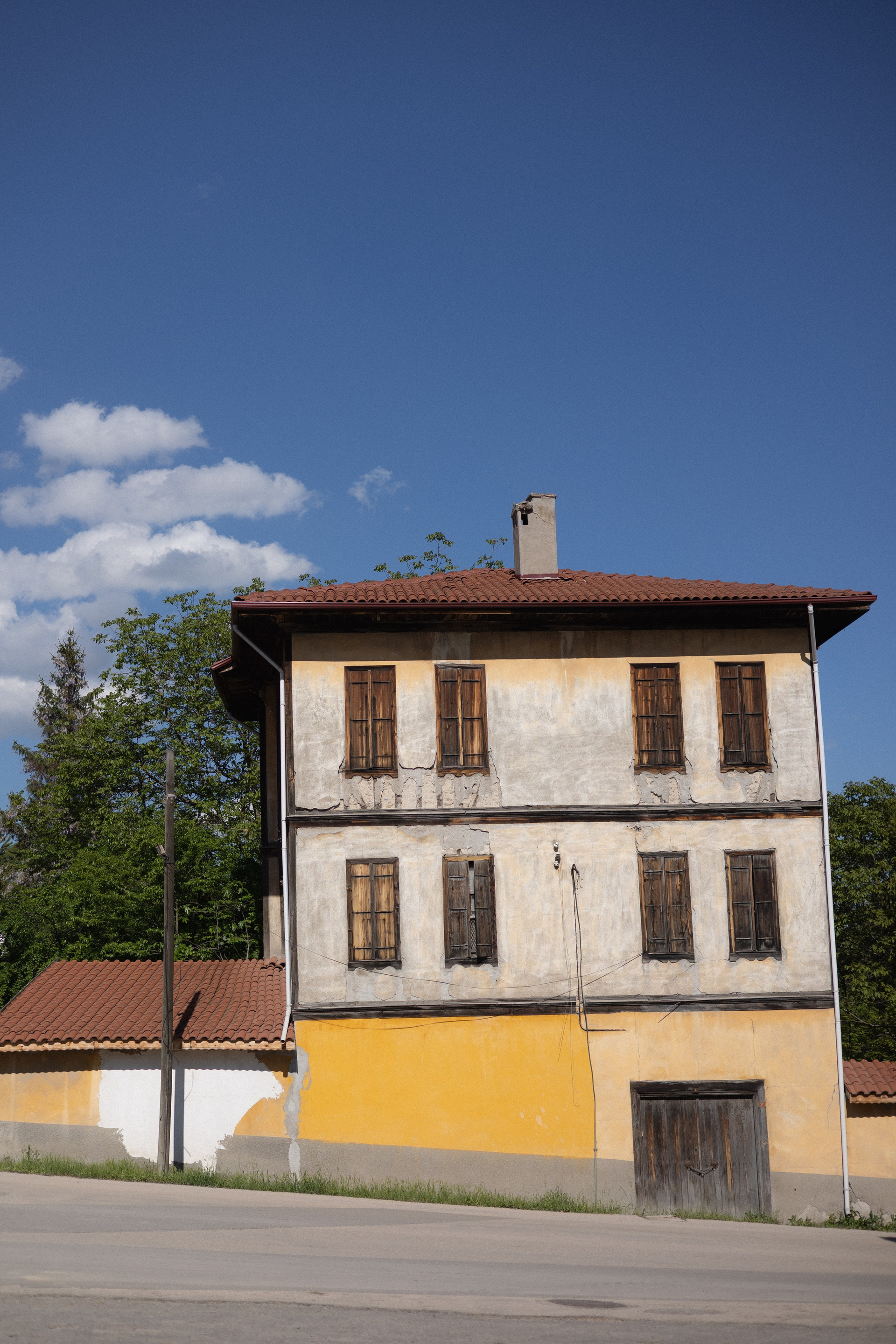
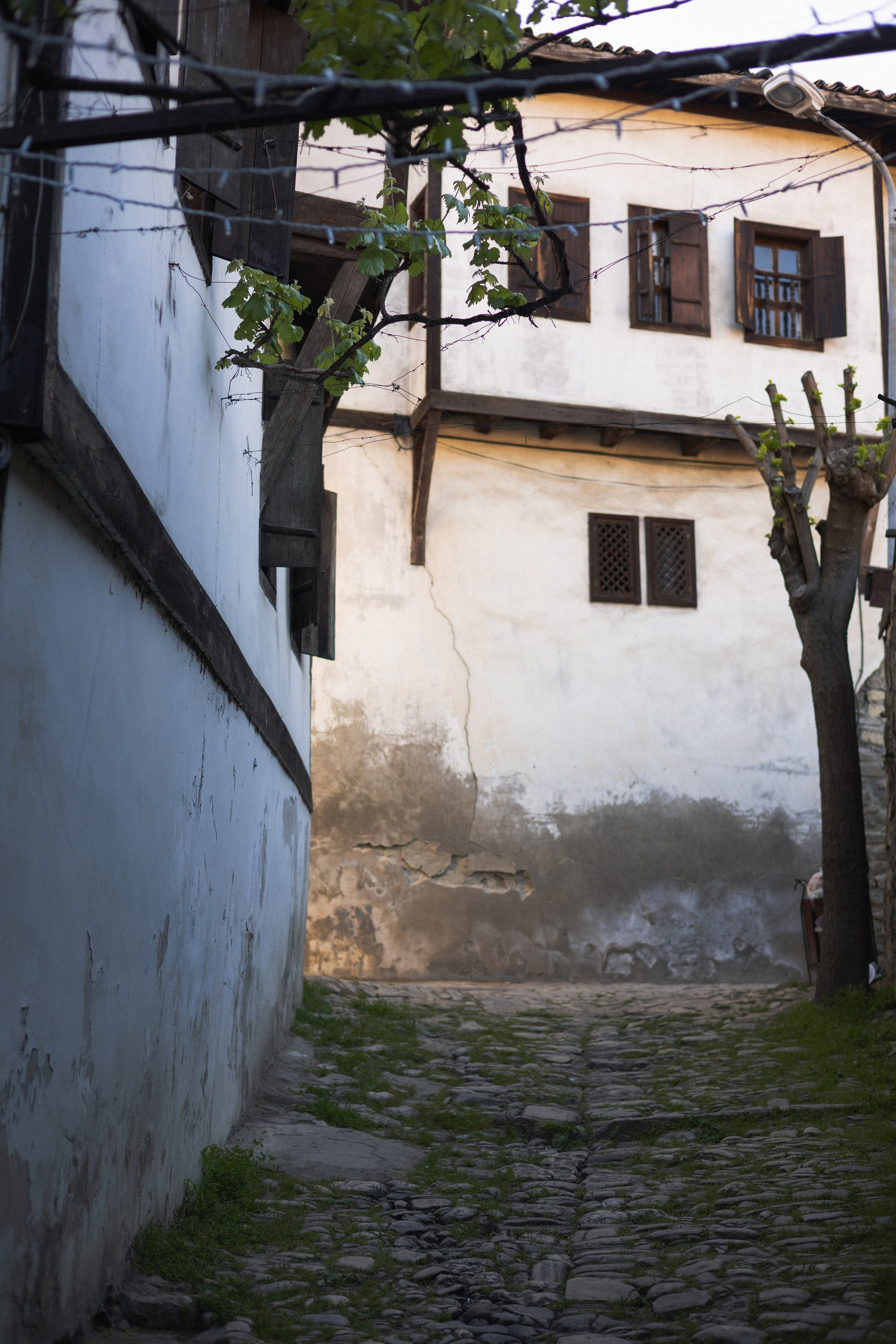
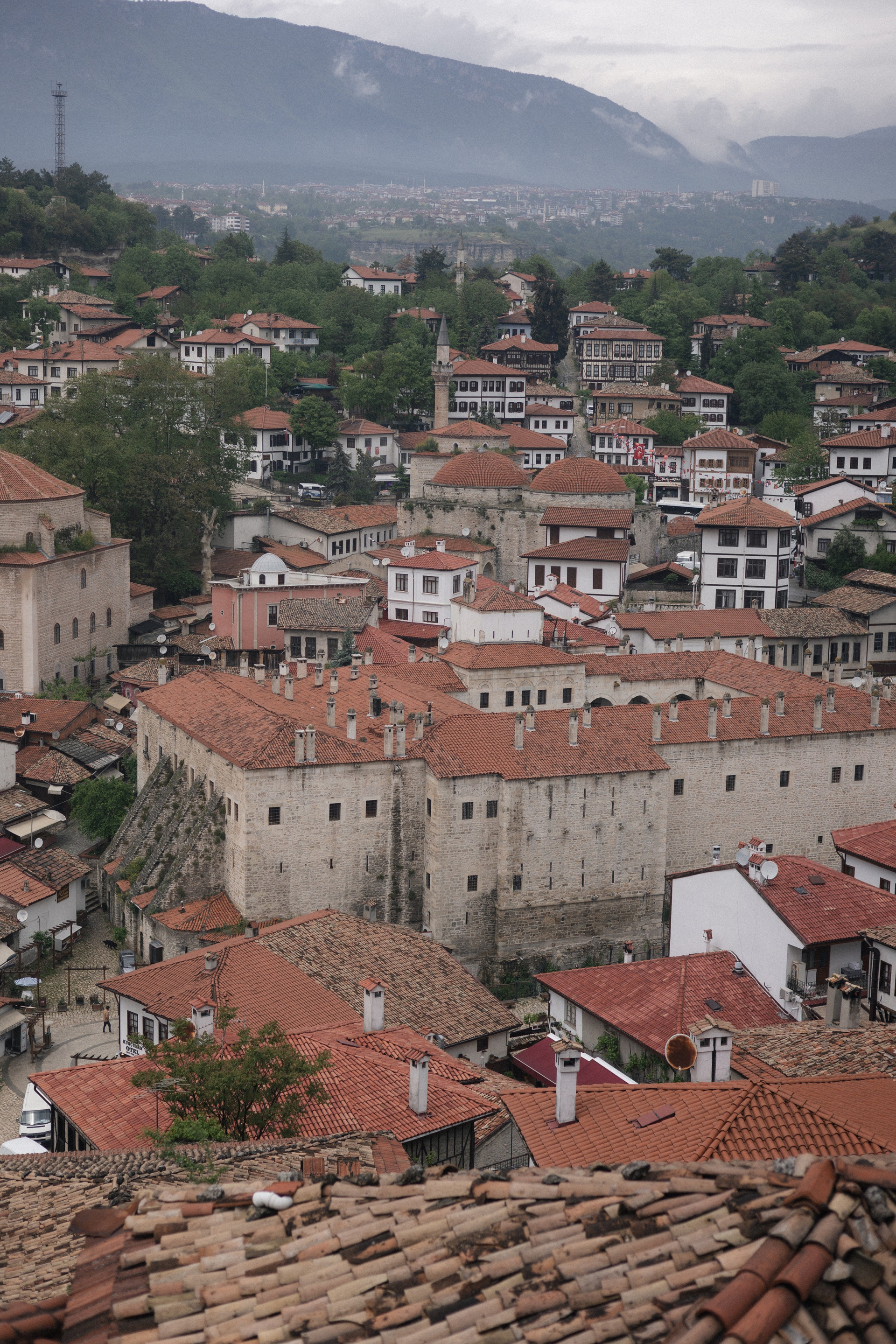
Our first stop was Safranbolu, a medieval town famous for saffron production. These kinds of towns are my favourite places in Turkey — cosy, filled with stone houses, red-tiled roofs, and narrow winding streets.
Here, the noise of modern life feels far away. Saffron-flavoured Turkish delight is sold in small shops, blacksmiths forge steel knives right before your eyes, and roosters compete with the call to prayer at dawn.
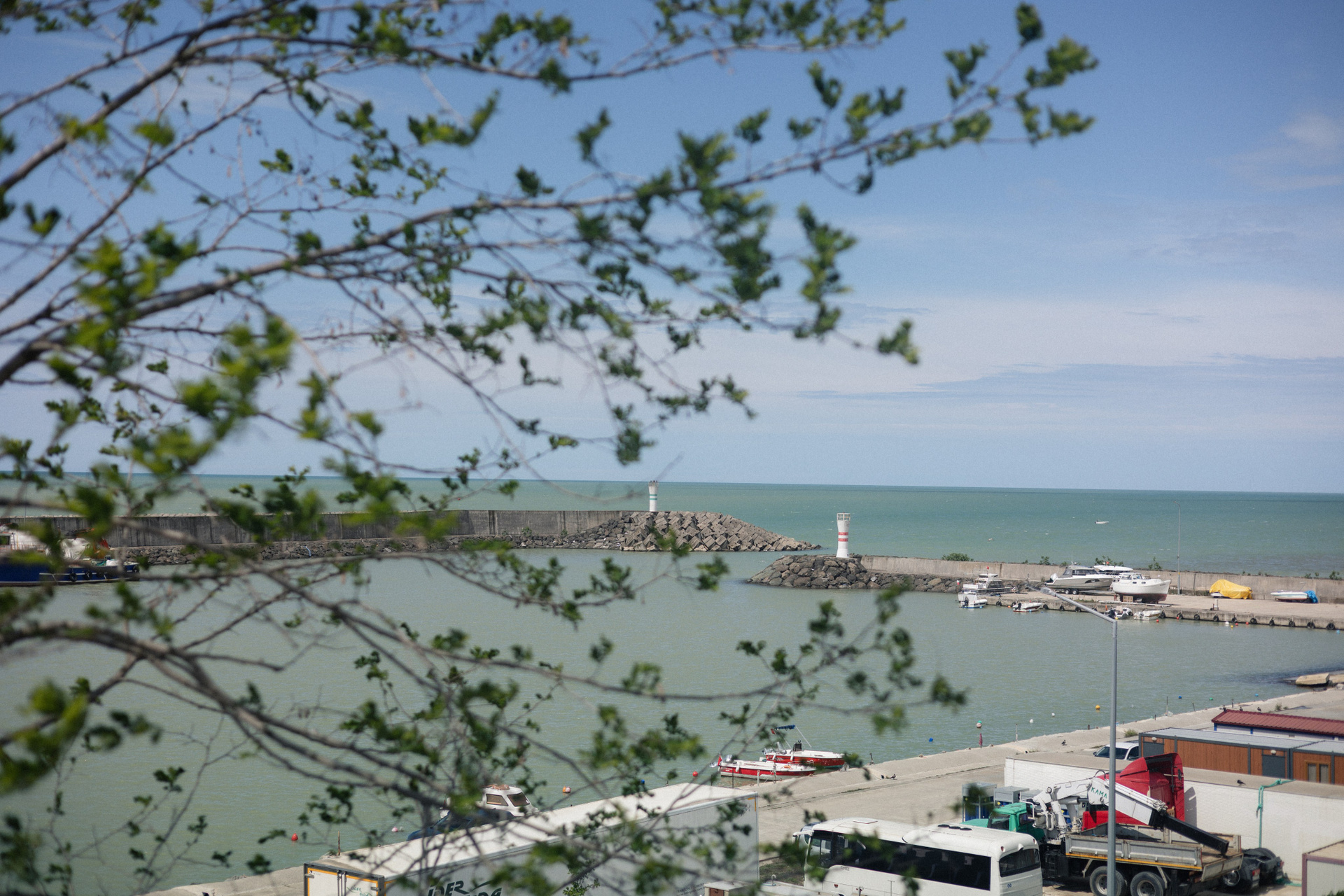
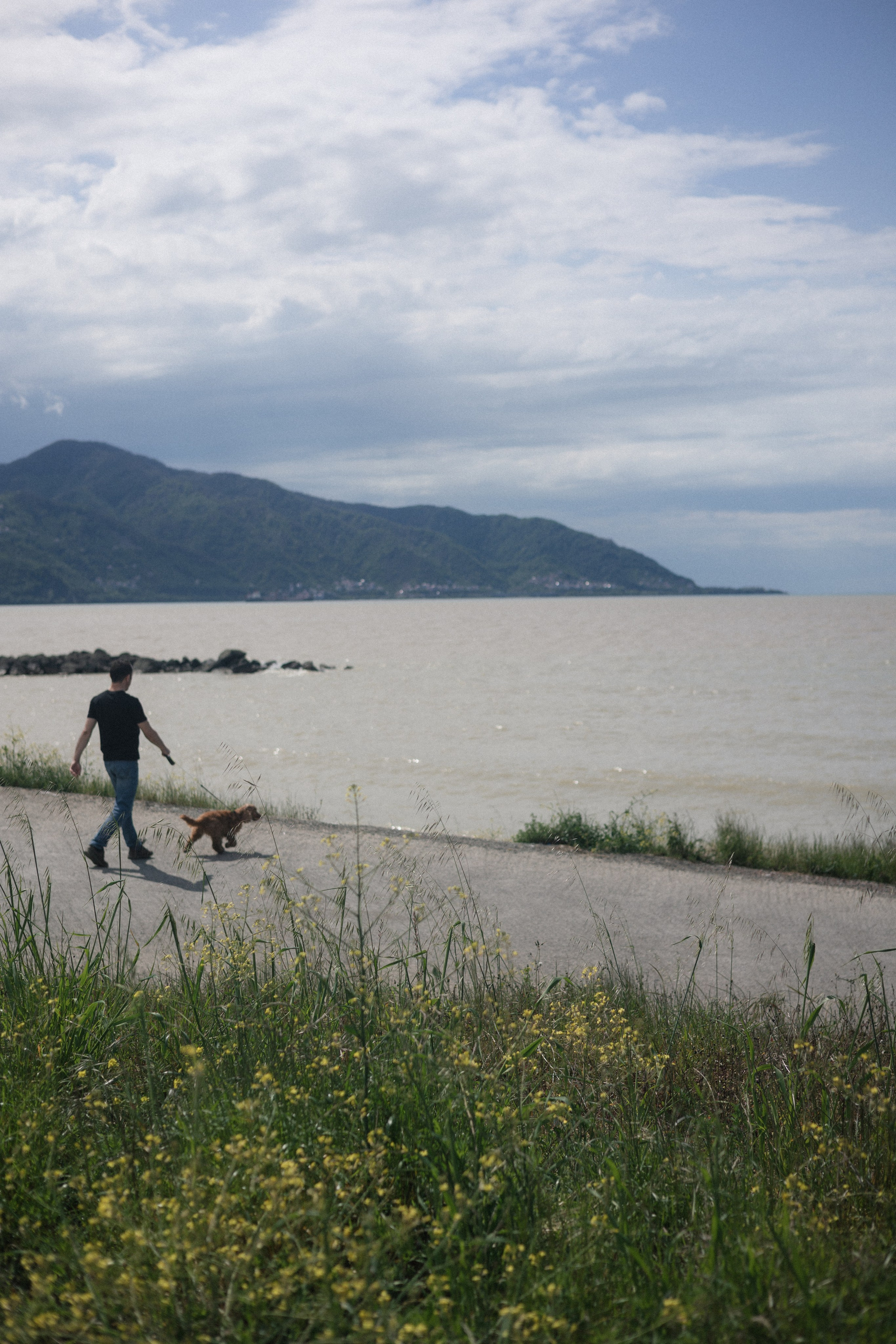
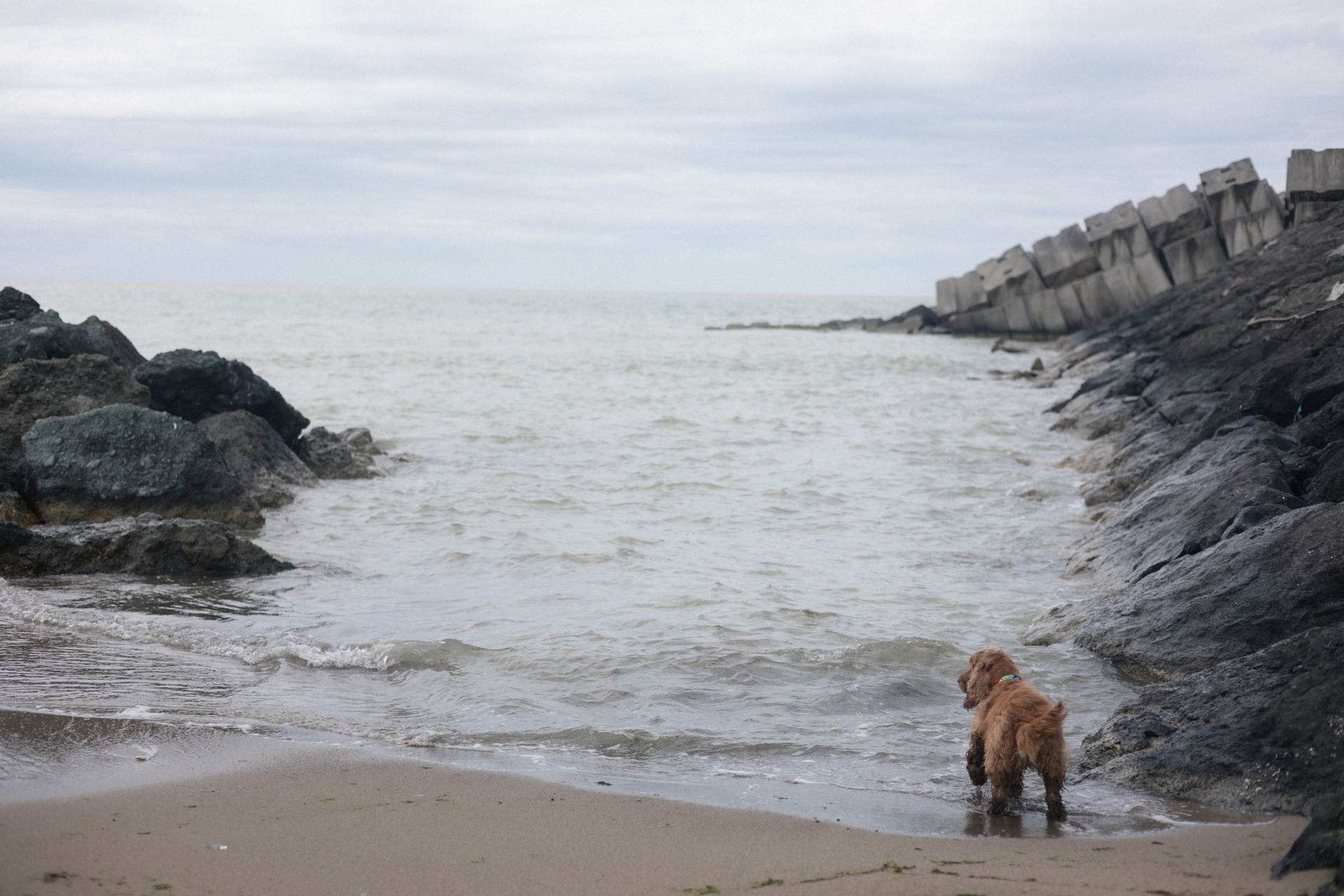
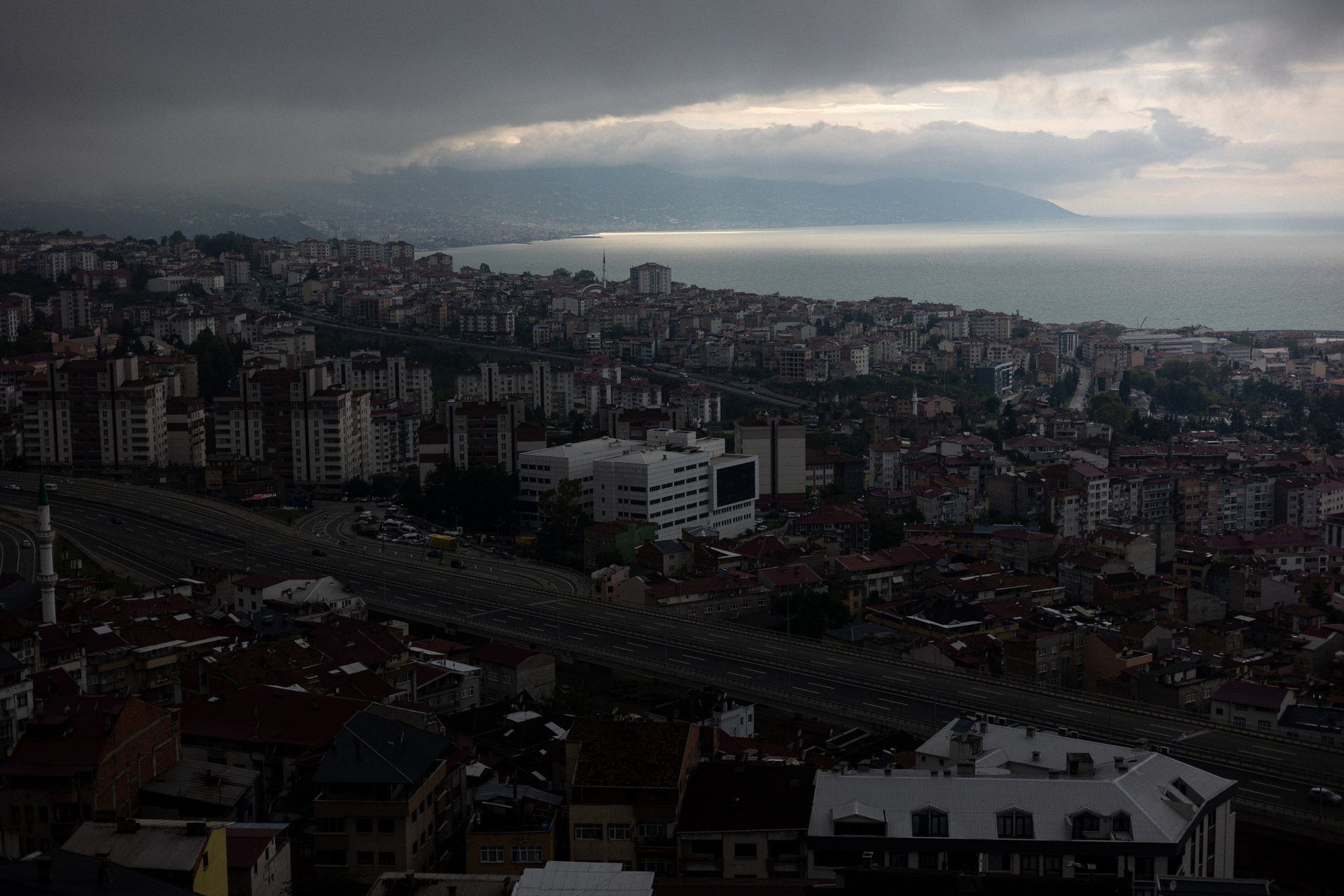
Our second overnight stop was Samsun, a city that stretches along the coastline. Cross the road almost anywhere, and you find yourself on the beach.
In Turkey, nearly every city claims a signature dish, and Samsun’s specialty is pide — often described as Turkish pizza. After tasting many versions across the country, I can honestly say that the best pide I have ever eaten was in Samsun.
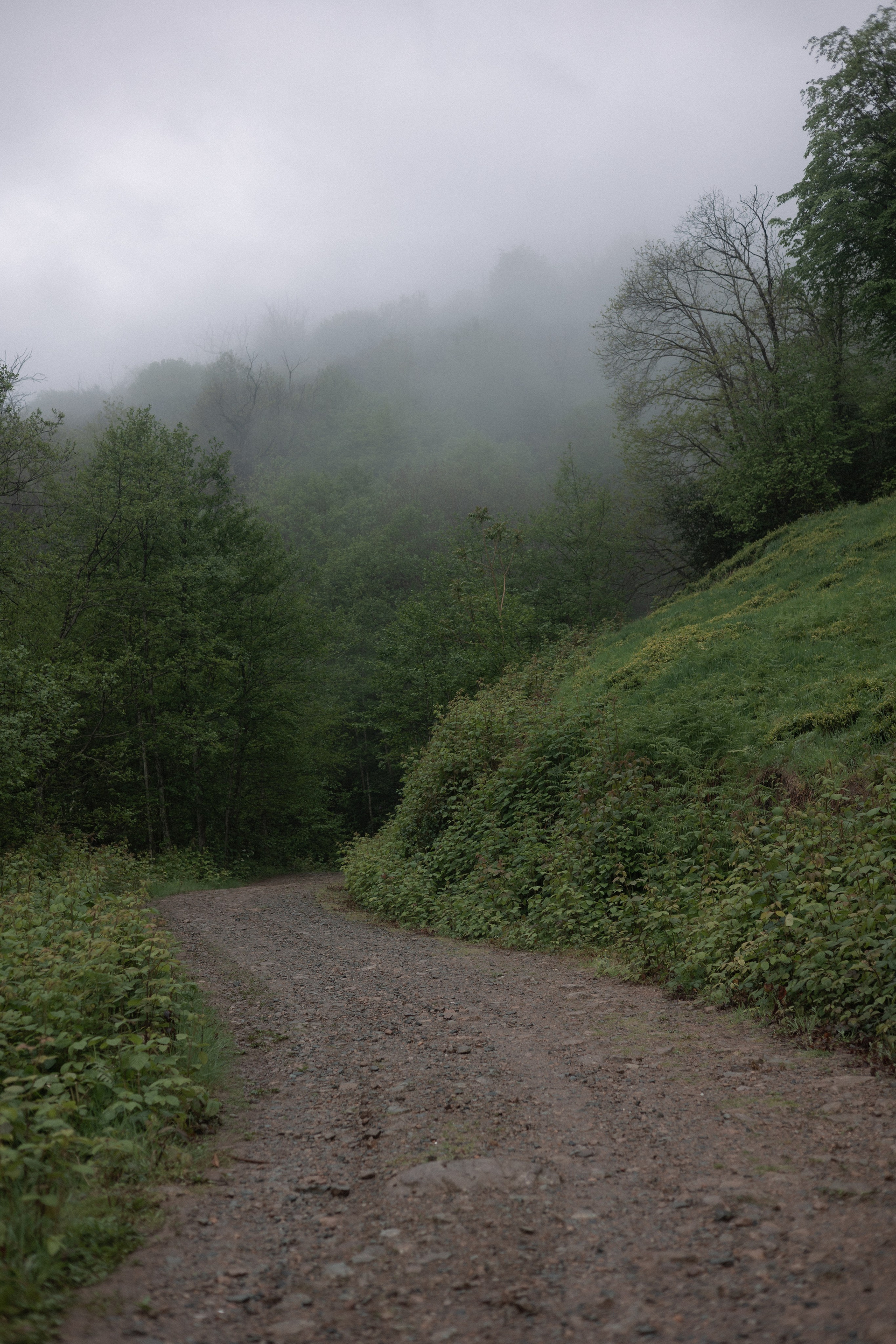
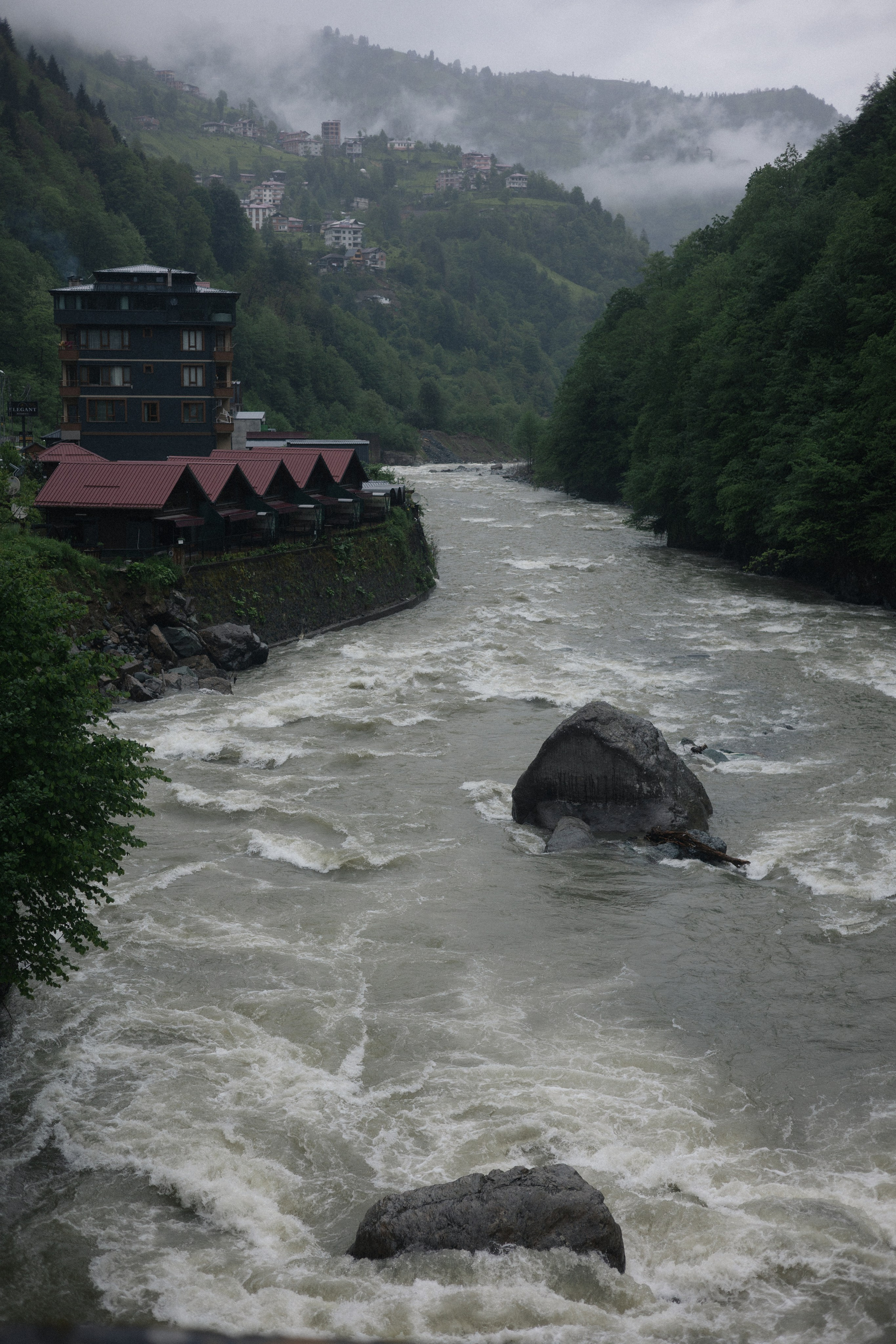
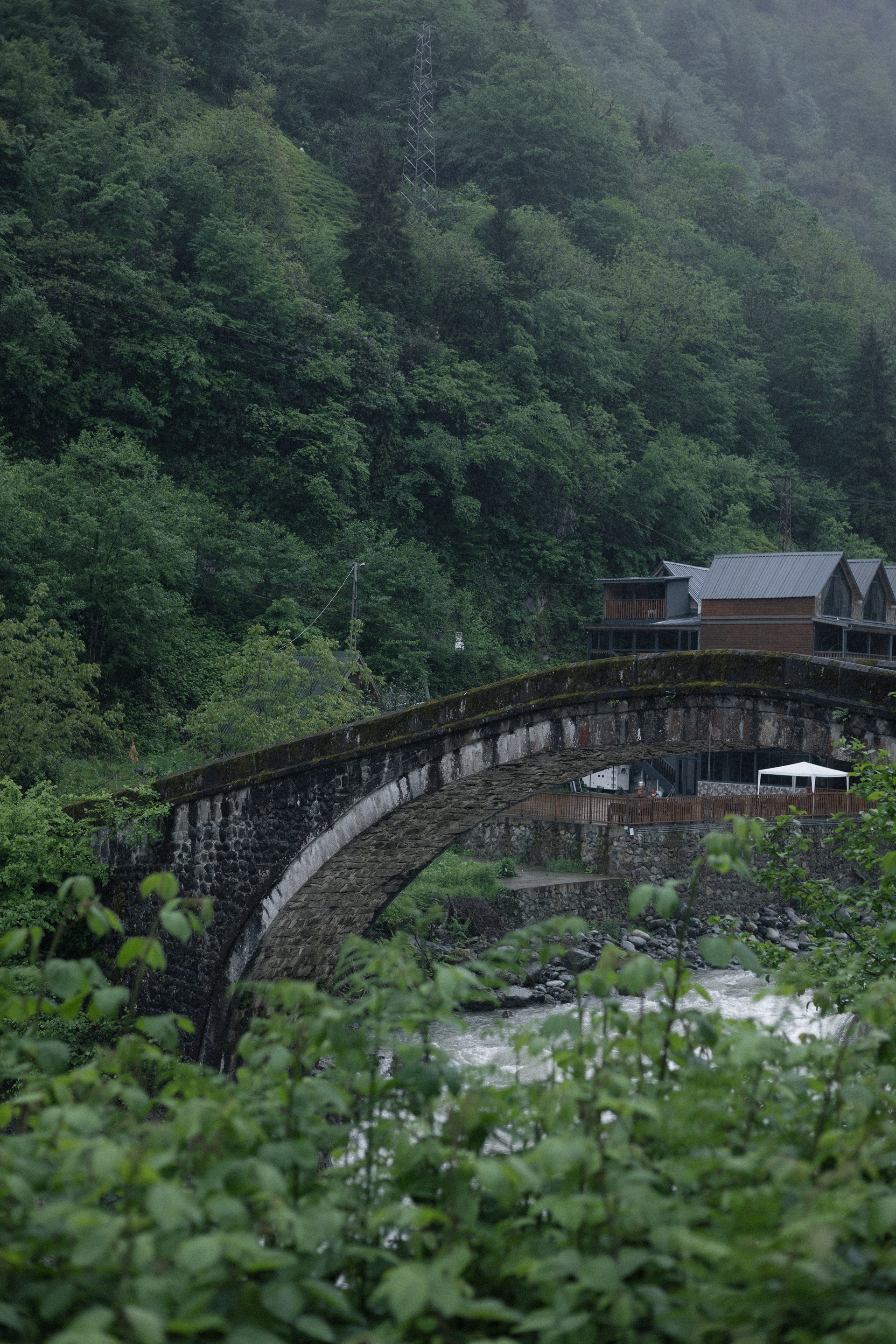
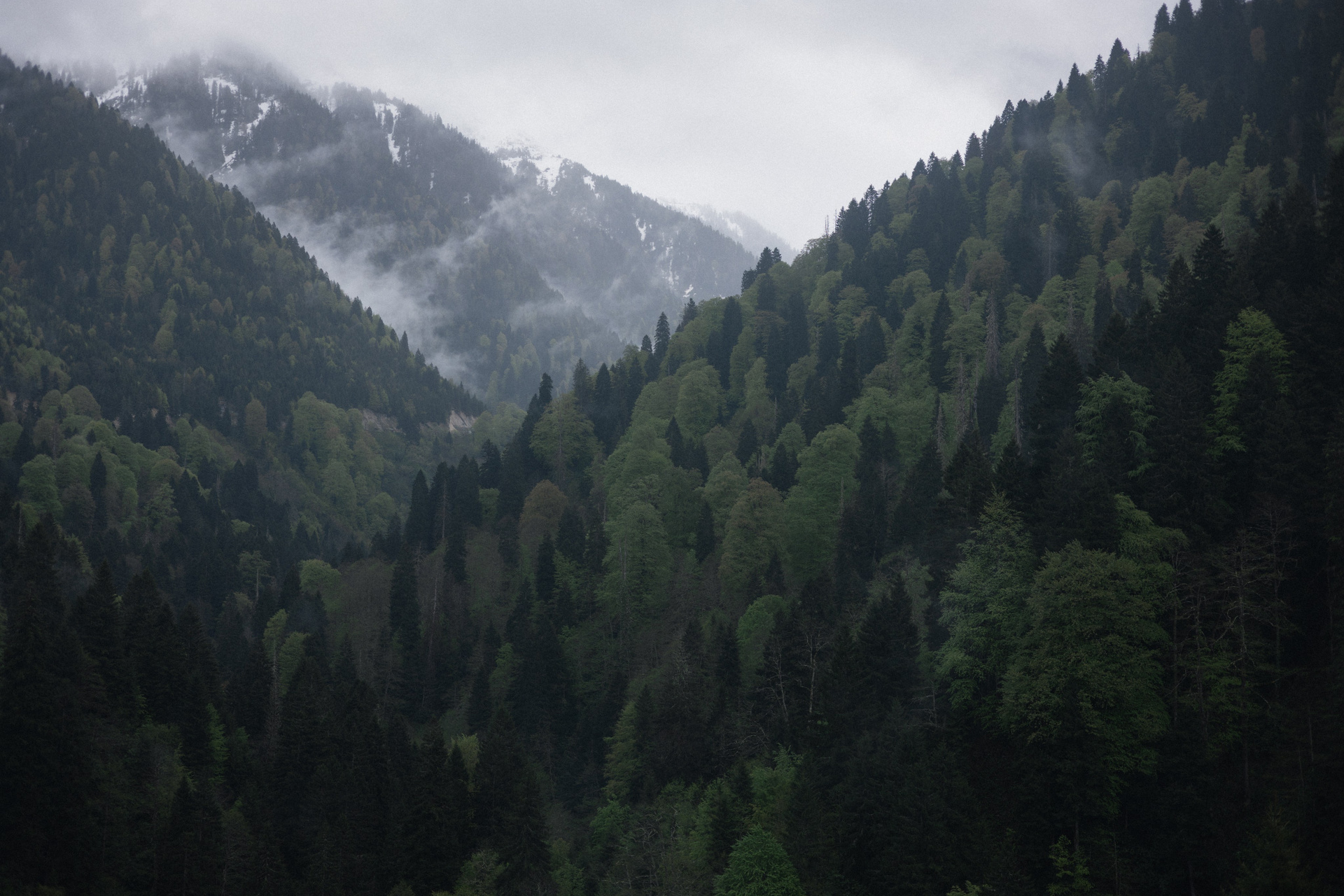
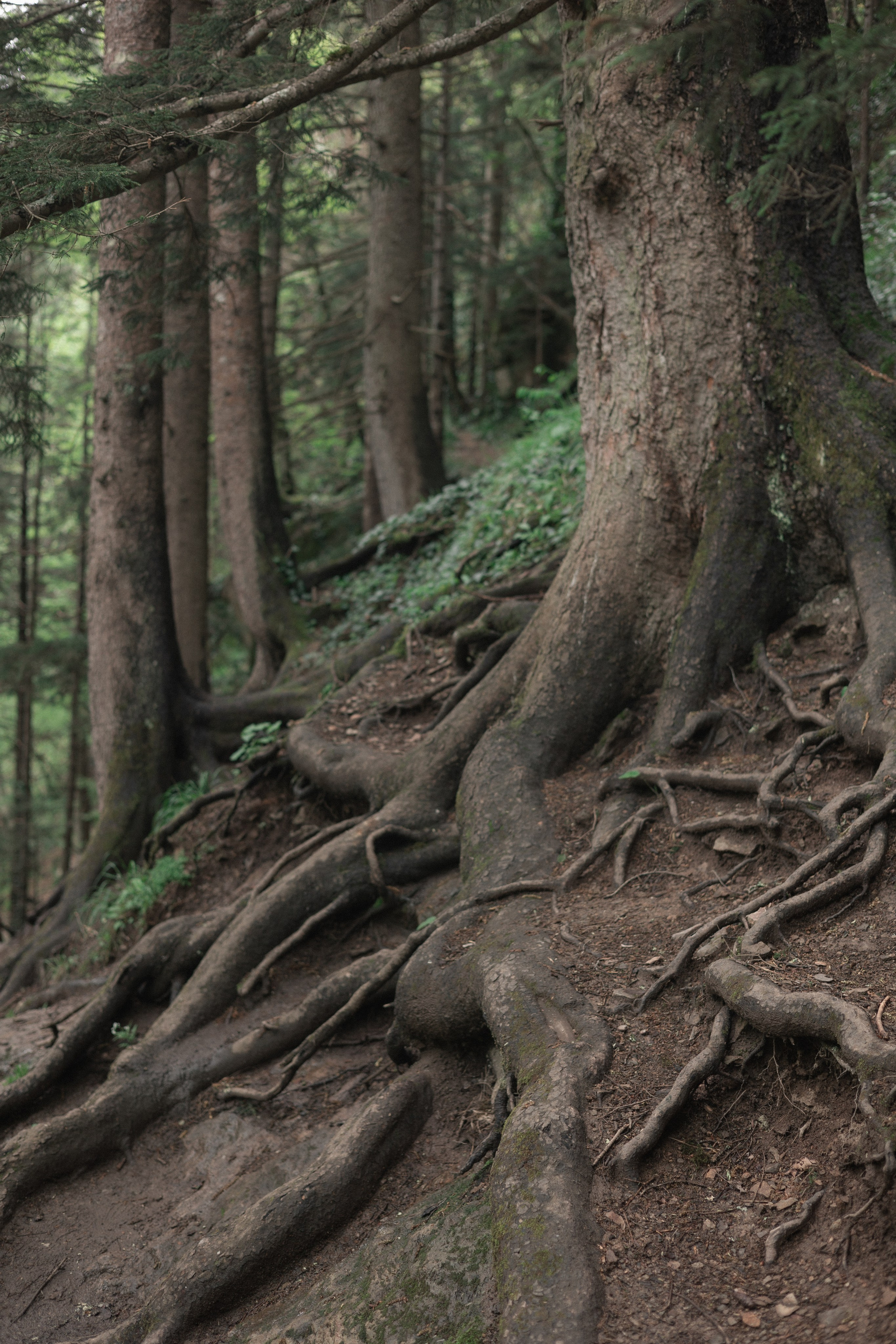
Finally, we reached Rize — a land of rain and fog, valleys and waterfalls.
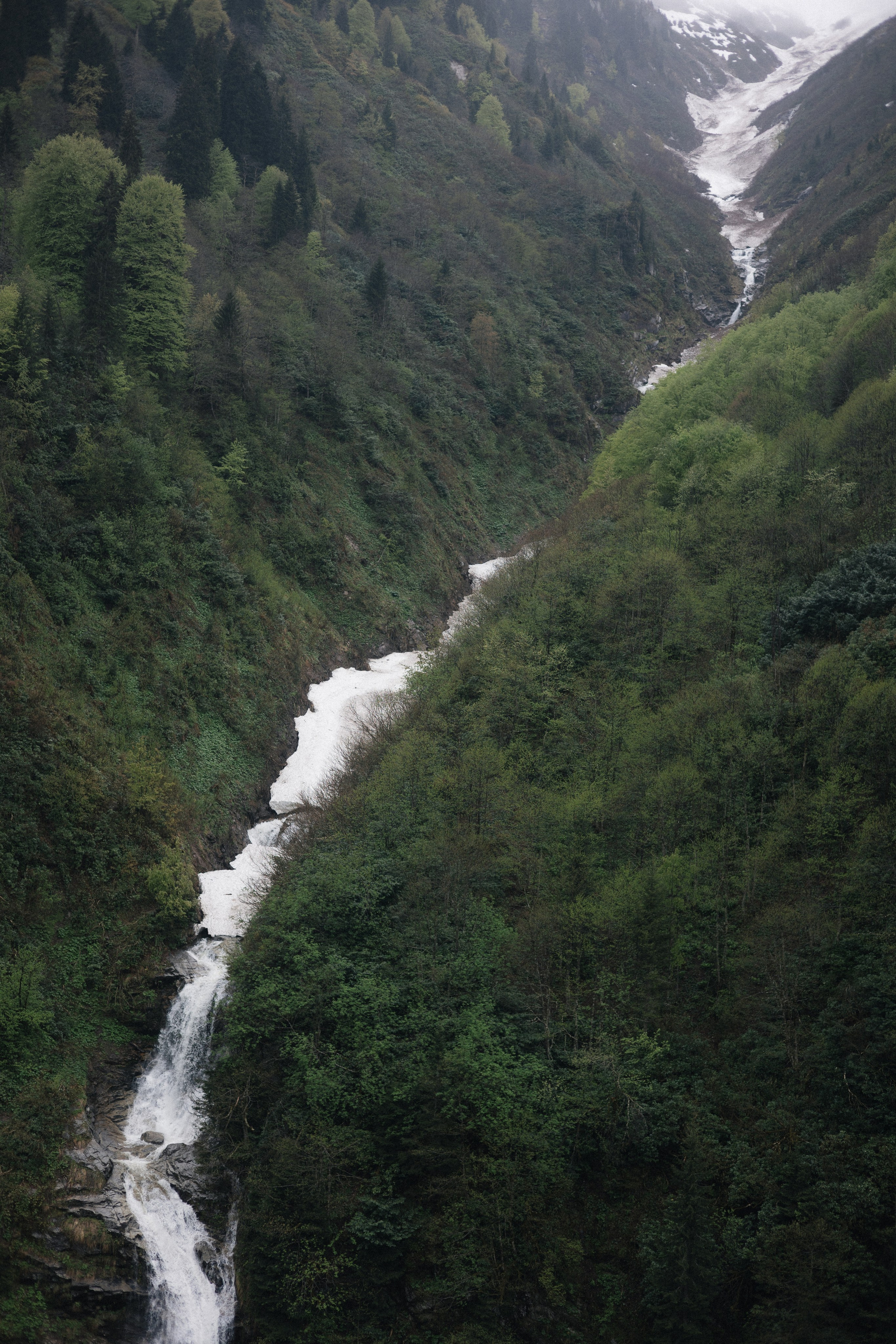
It is surprisingly cold there. At the end of May, I felt as frozen as during the coldest winter days in Istanbul. The roads follow fast-flowing rivers with names such as Storm Creek and Crazy River, while huge waterfalls descend from the mountains through grass and patches of snow.
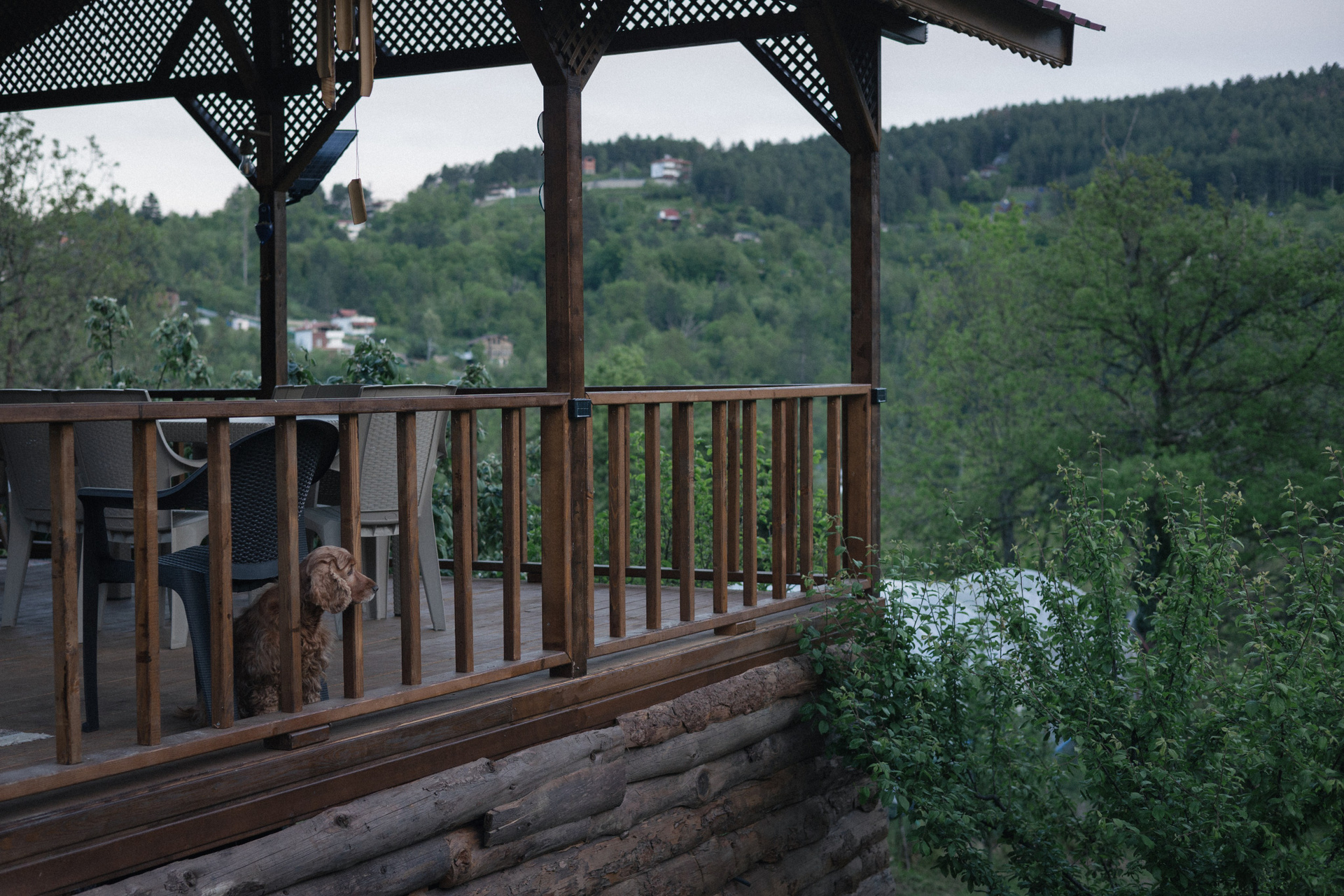
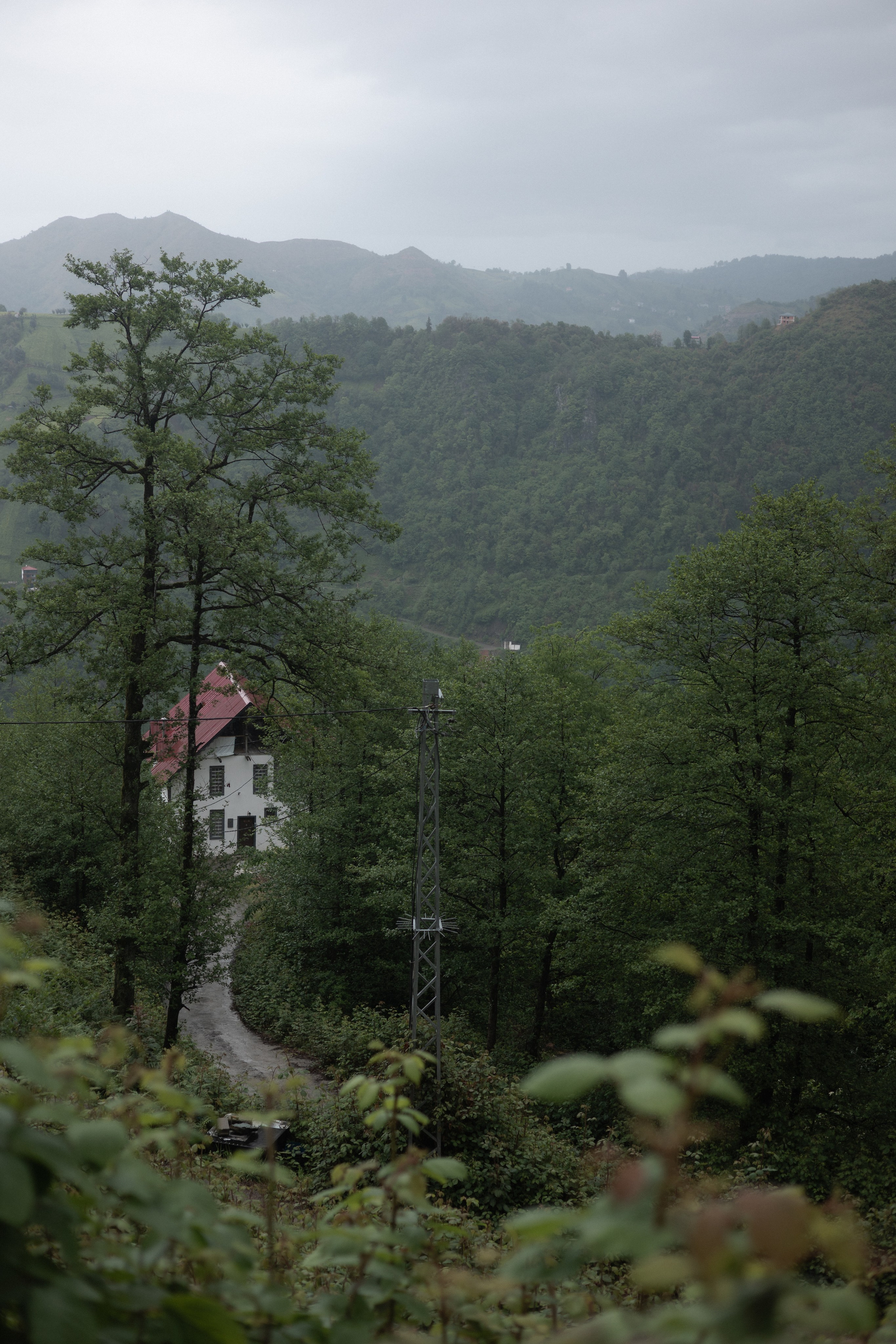
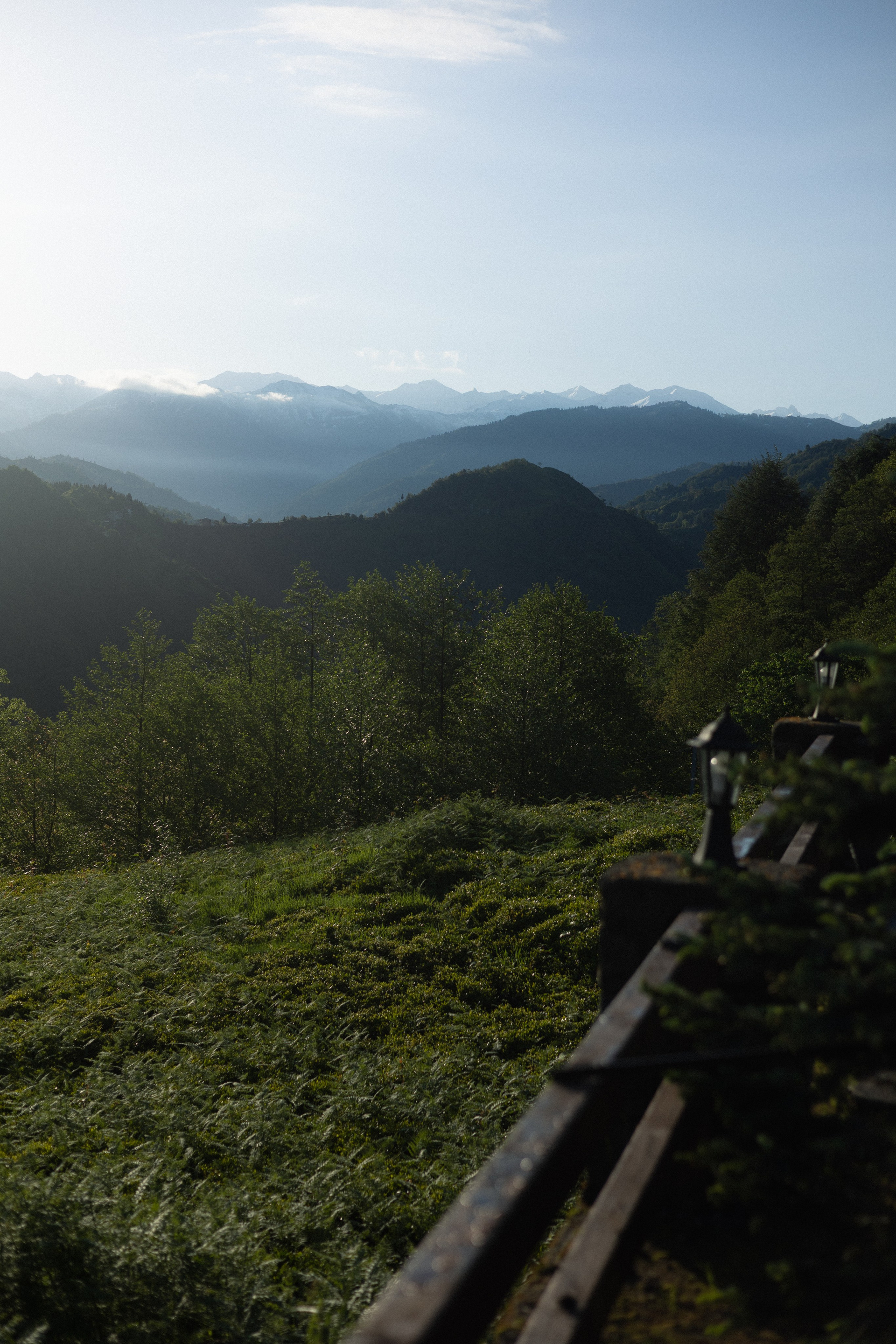
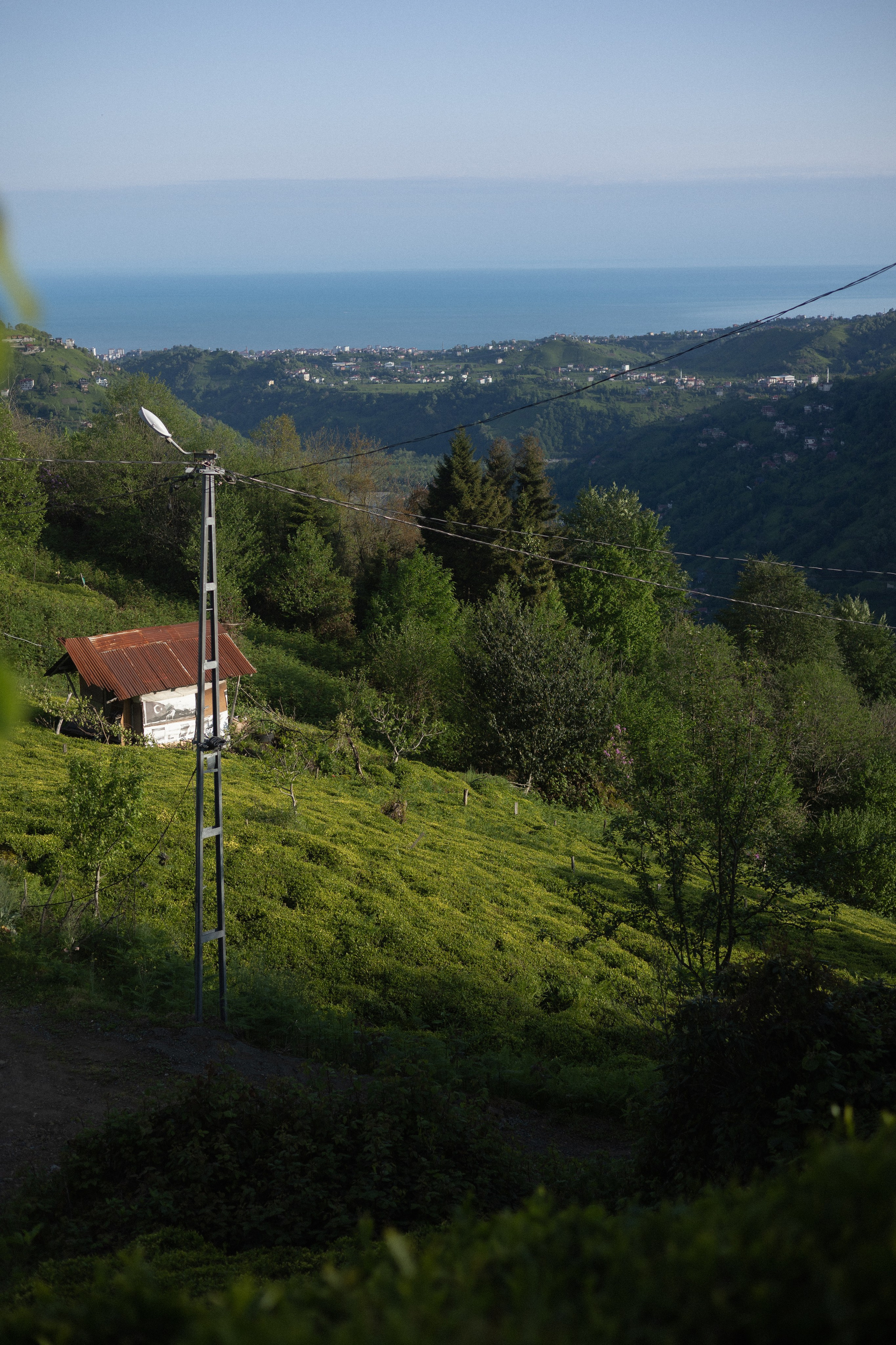
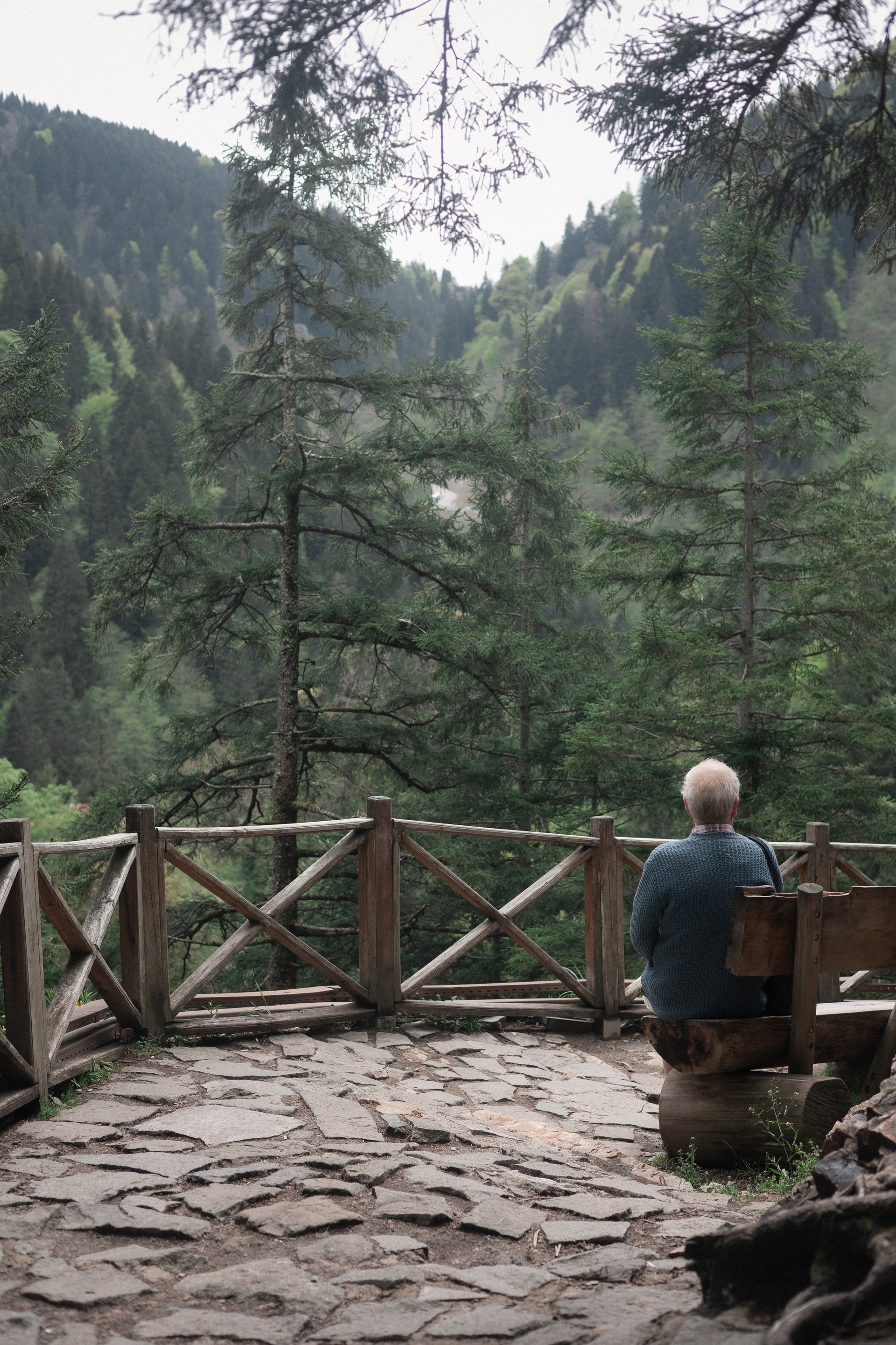
The Rize region is often called the Turkish Switzerland. Green valley slopes covered with houses are squeezed between steep mountains. When the sun finally appears, Rize seems to burst into bright green tea-covered hills beneath a sky that merges with the Black Sea on the horizon.
Rize in the rain and Rize in the sunshine feel like two completely different places.
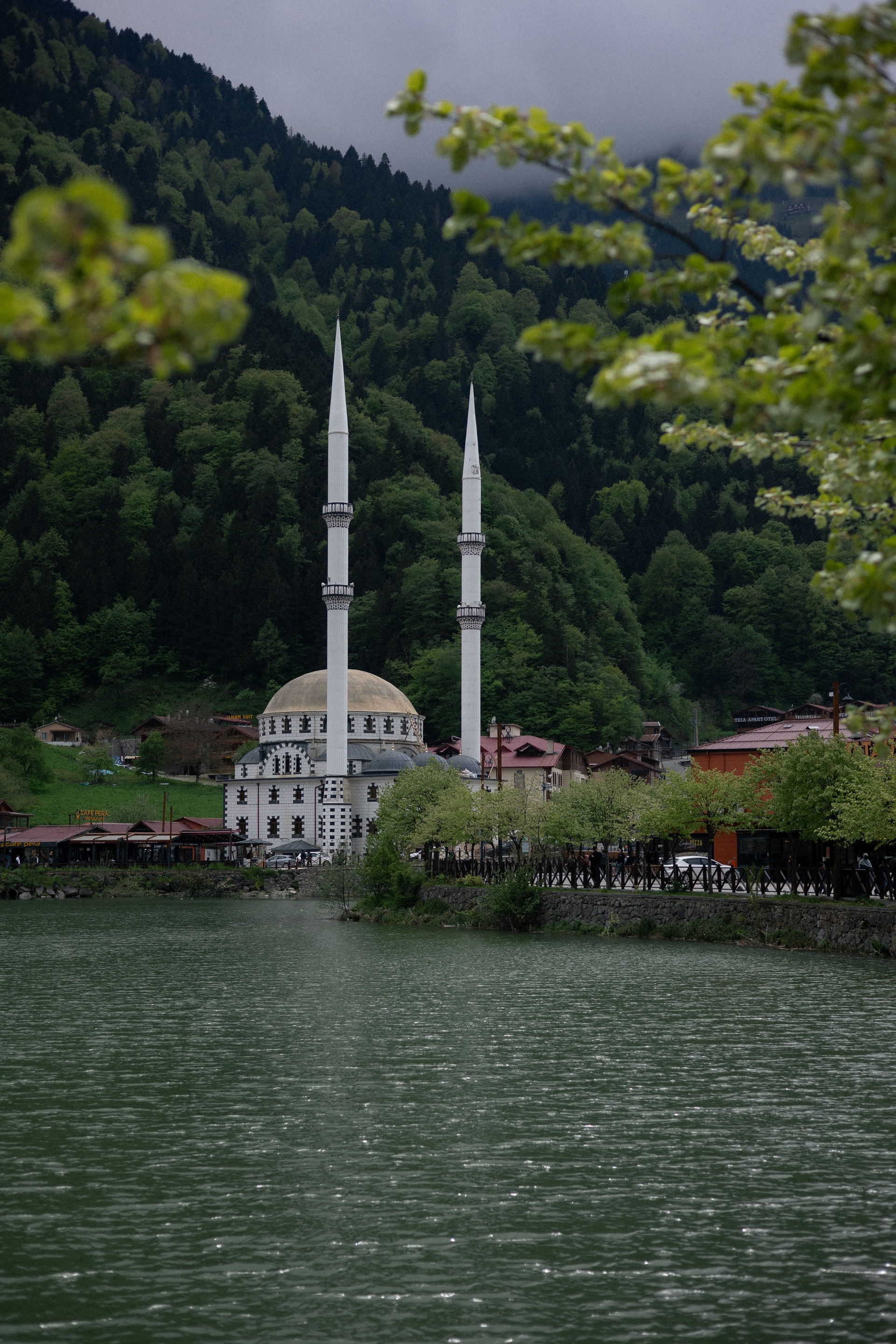
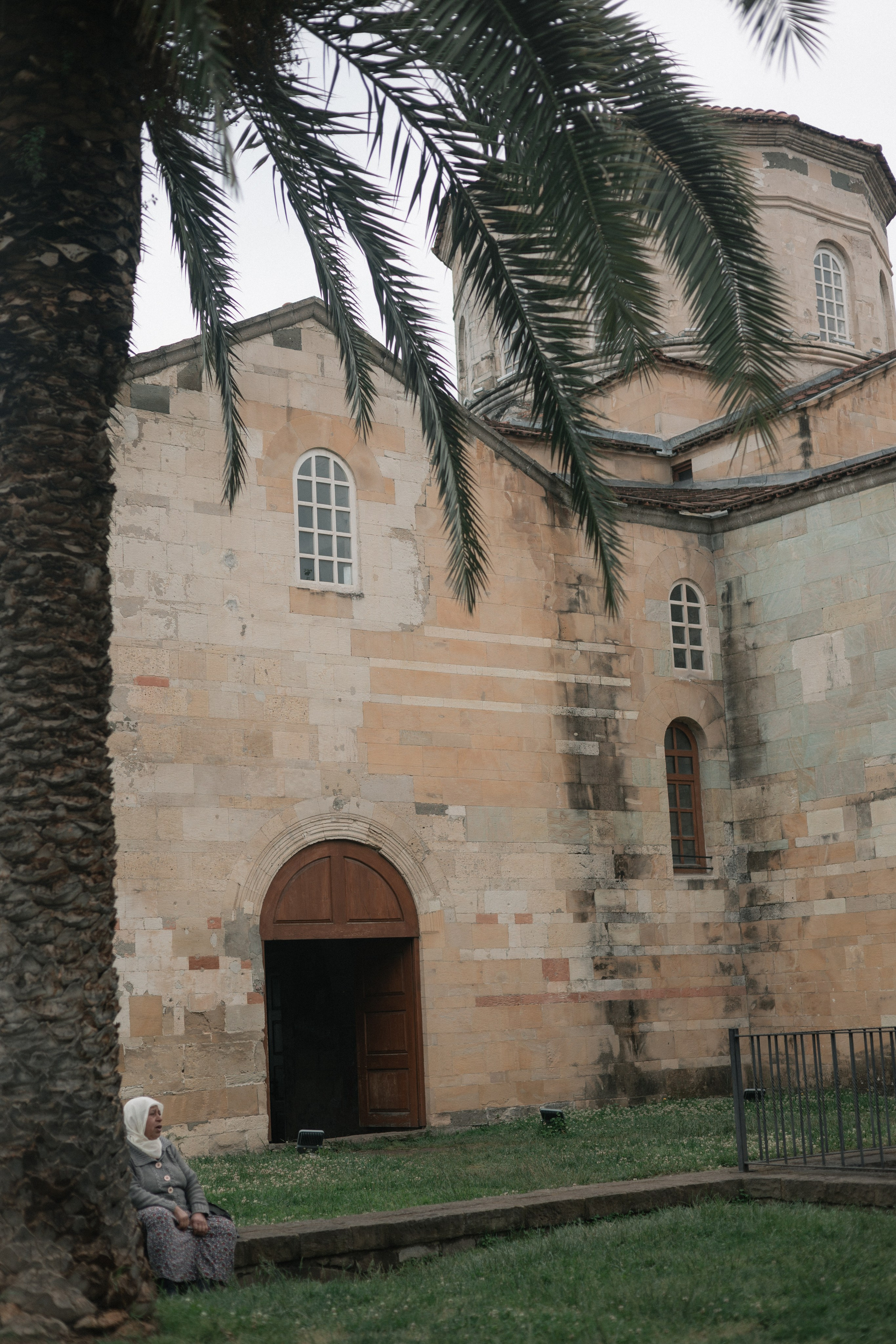
Trabzon is similar to Rize, with the same mountains and valleys, though the landscape here seems painted in deeper emerald tones.
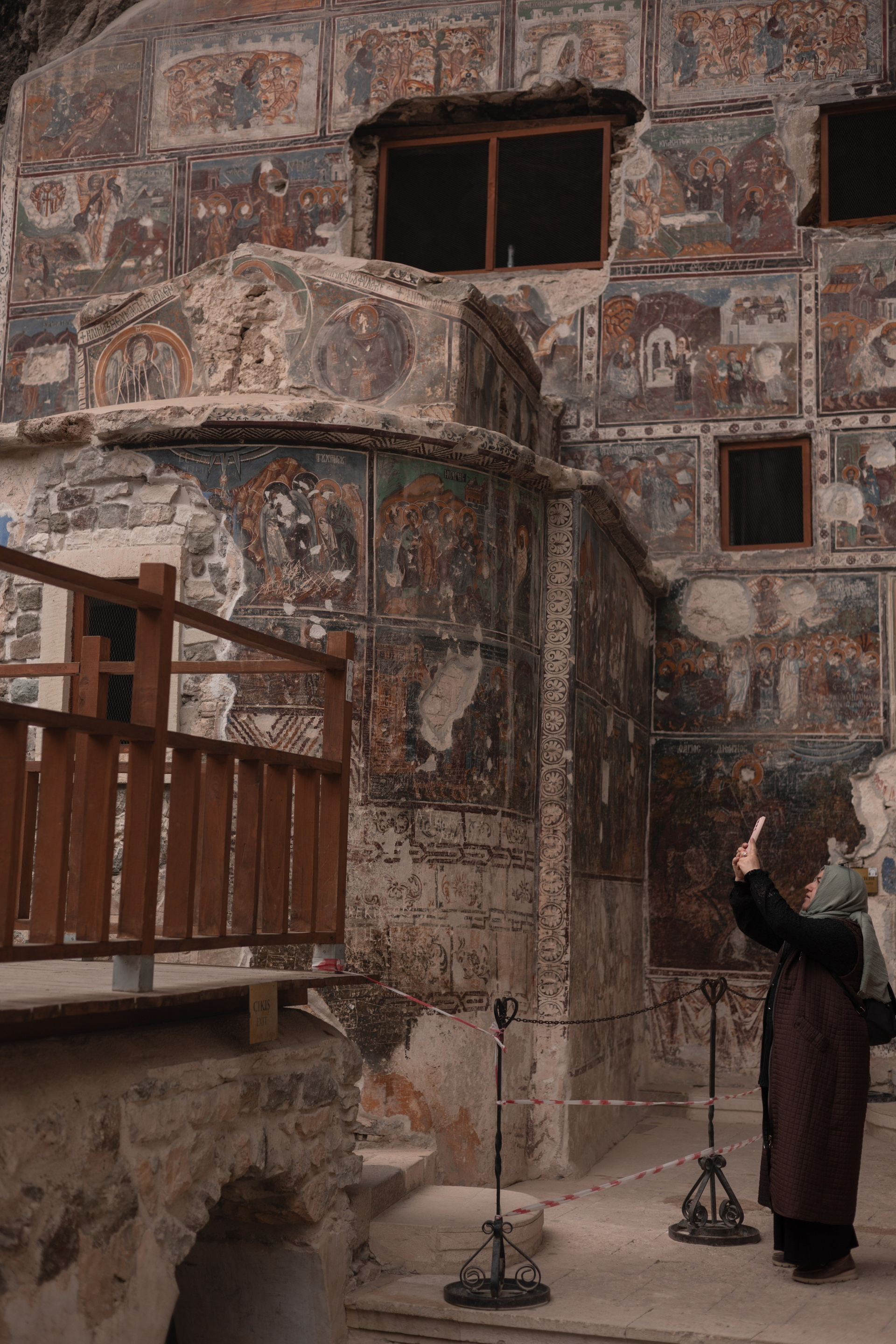
The Sumela Monastery, which I had dreamed of visiting for a long time, disappointed me a little. Part of the monastery is currently closed to visitors. Still, the journey there feels like an adventure in itself and makes you wonder how people in the past managed to build and sustain a community in such a remote and dramatic location.
Trabzon itself is an extremely hilly city. Compared to it, Istanbul feels almost flat. You ride a public bus uphill, the fog slowly surrounds everything, and your ears pop as if you were taking off in an airplane.
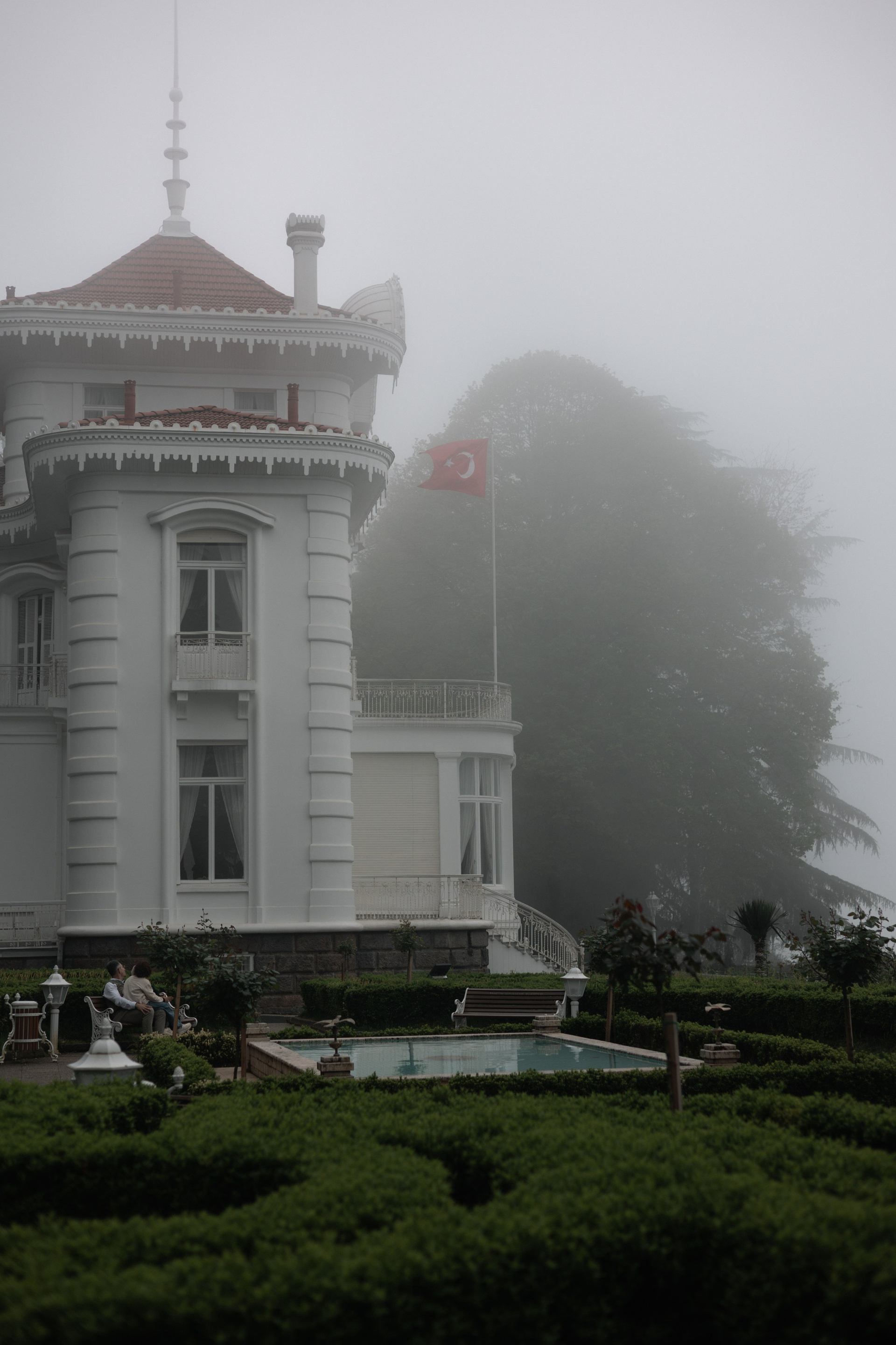
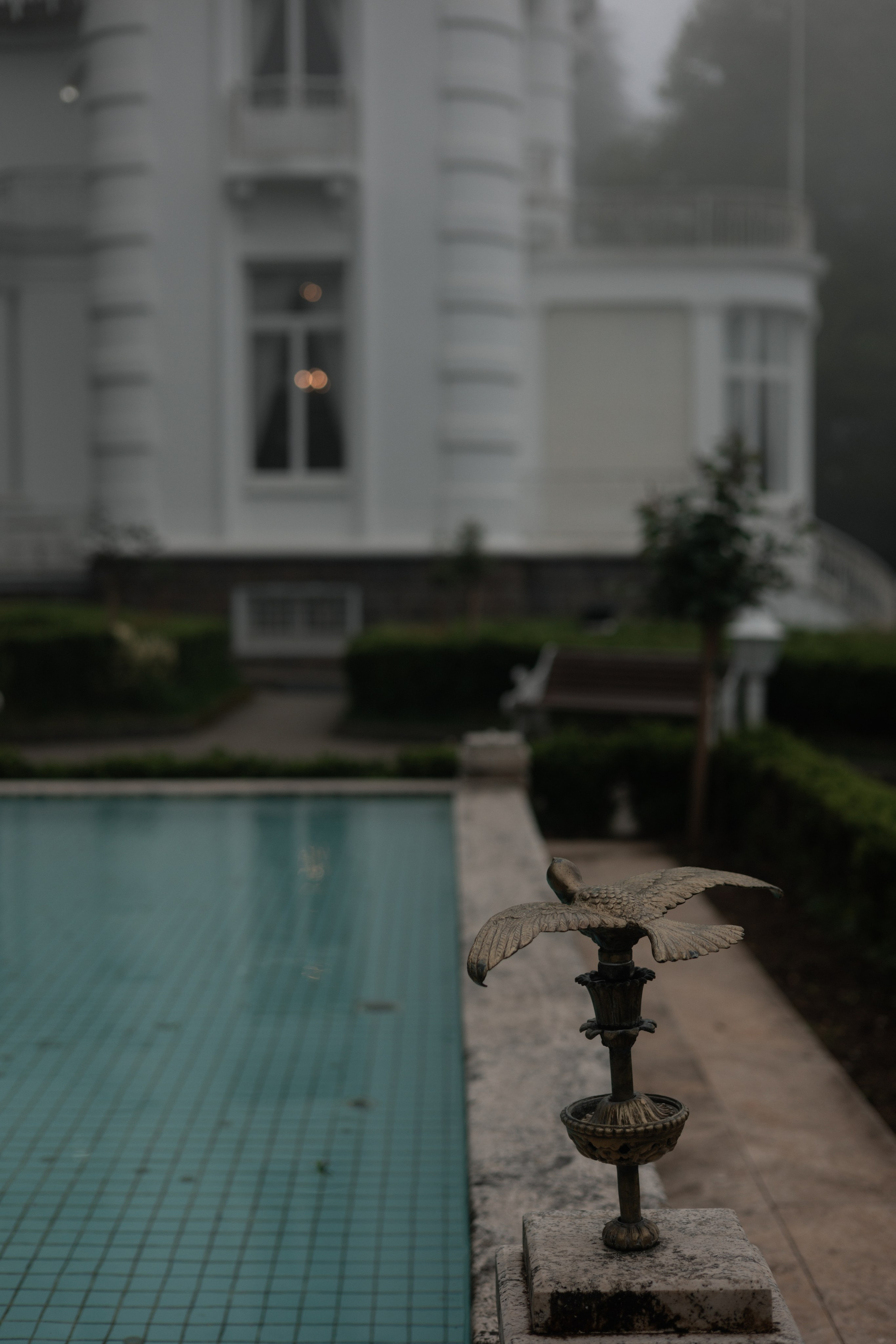
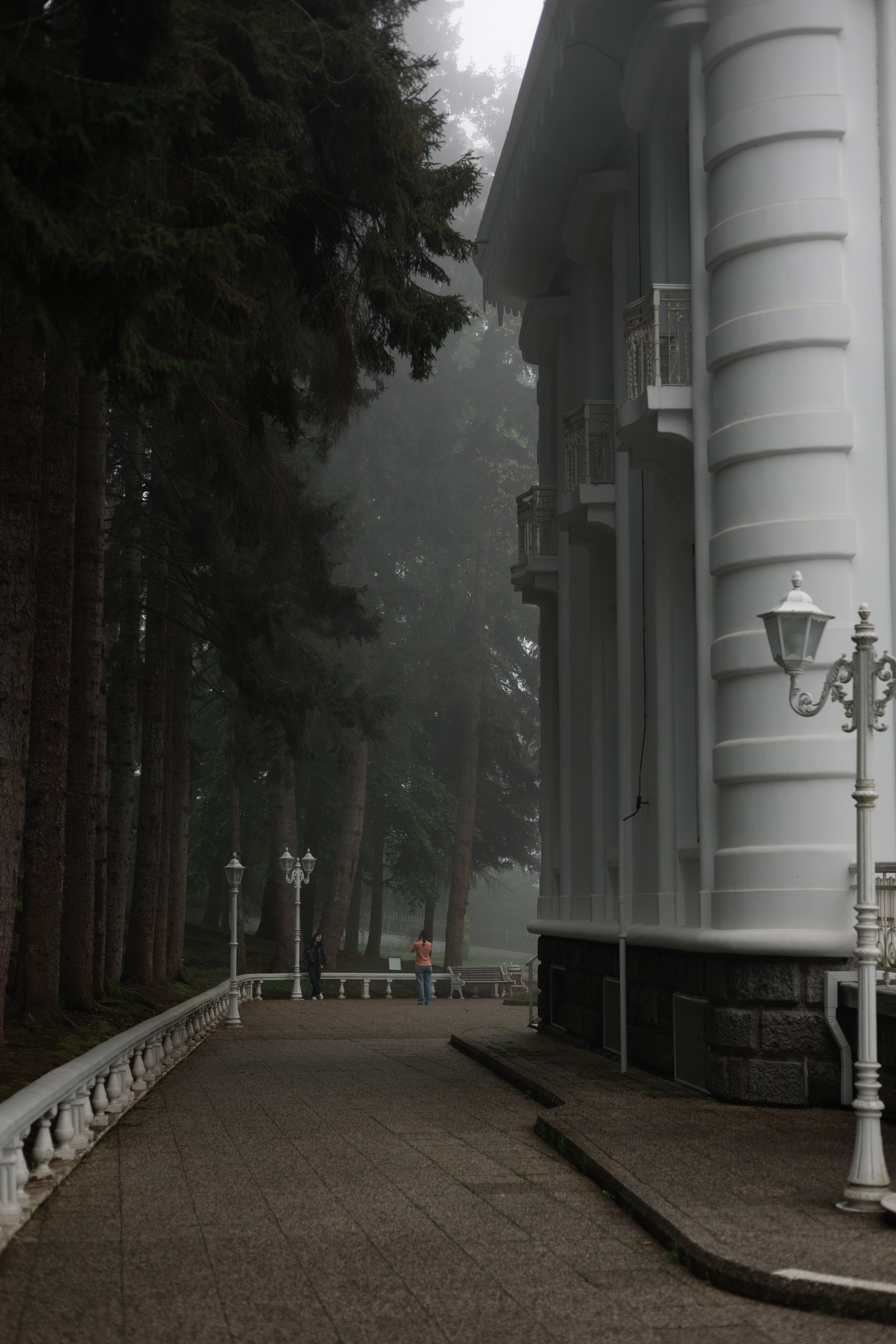
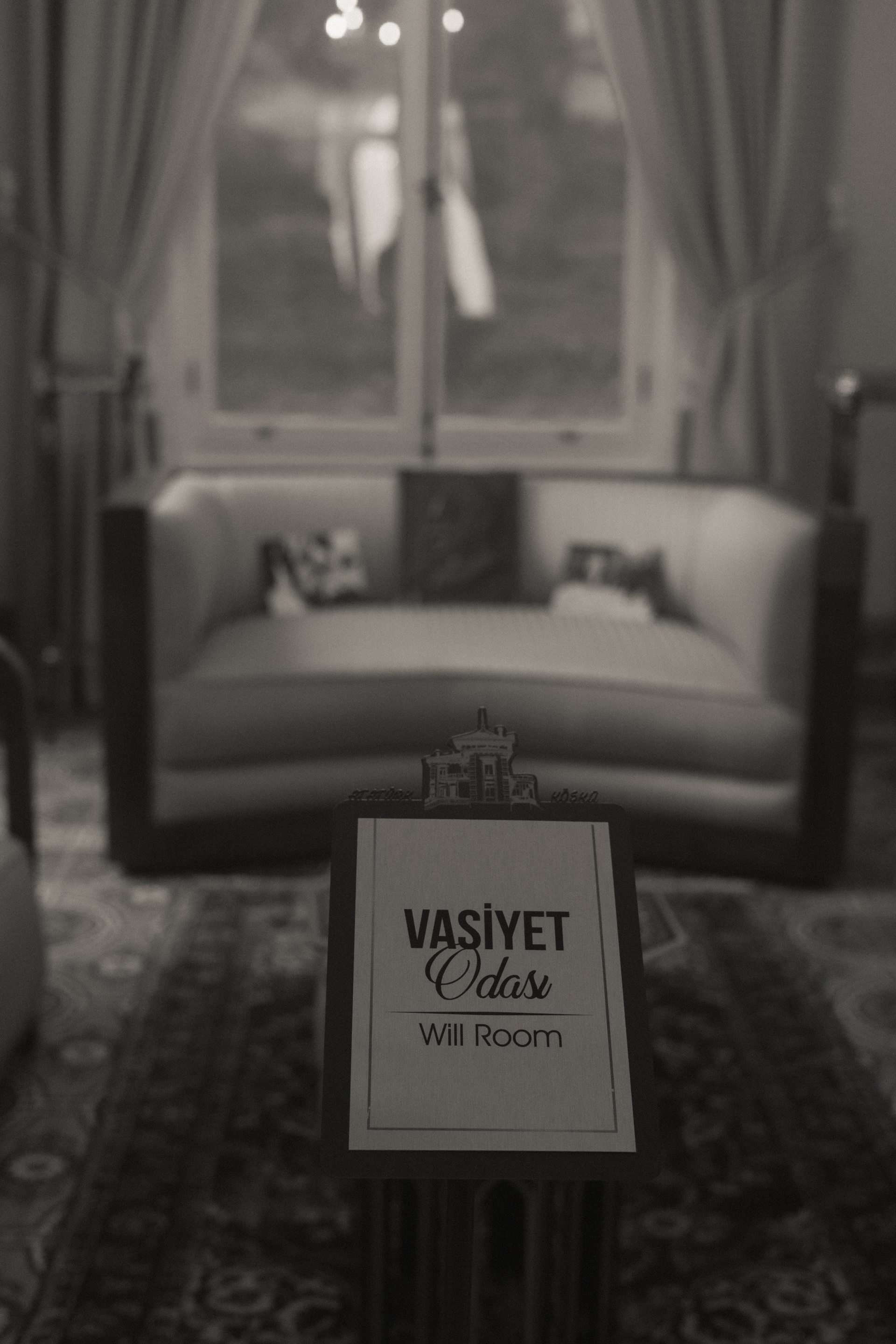
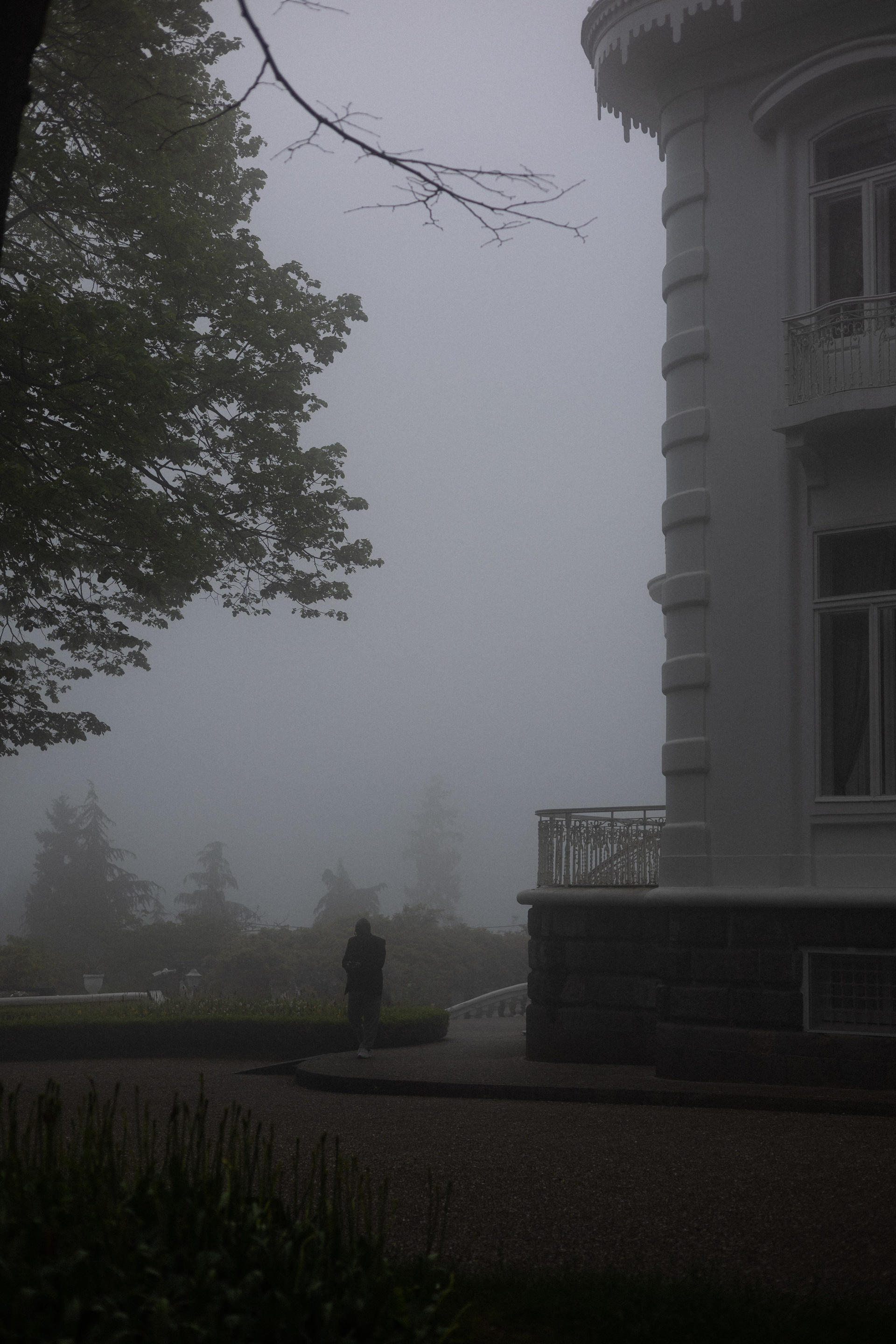
It was in Trabzon that I experienced being inside a cloud for the first time. At the very top of the city stands the small white Atatürk Mansion, where Mustafa Kemal Atatürk wrote his will a year before his death. On the day of my visit, the mansion seemed to float inside the fog itself.
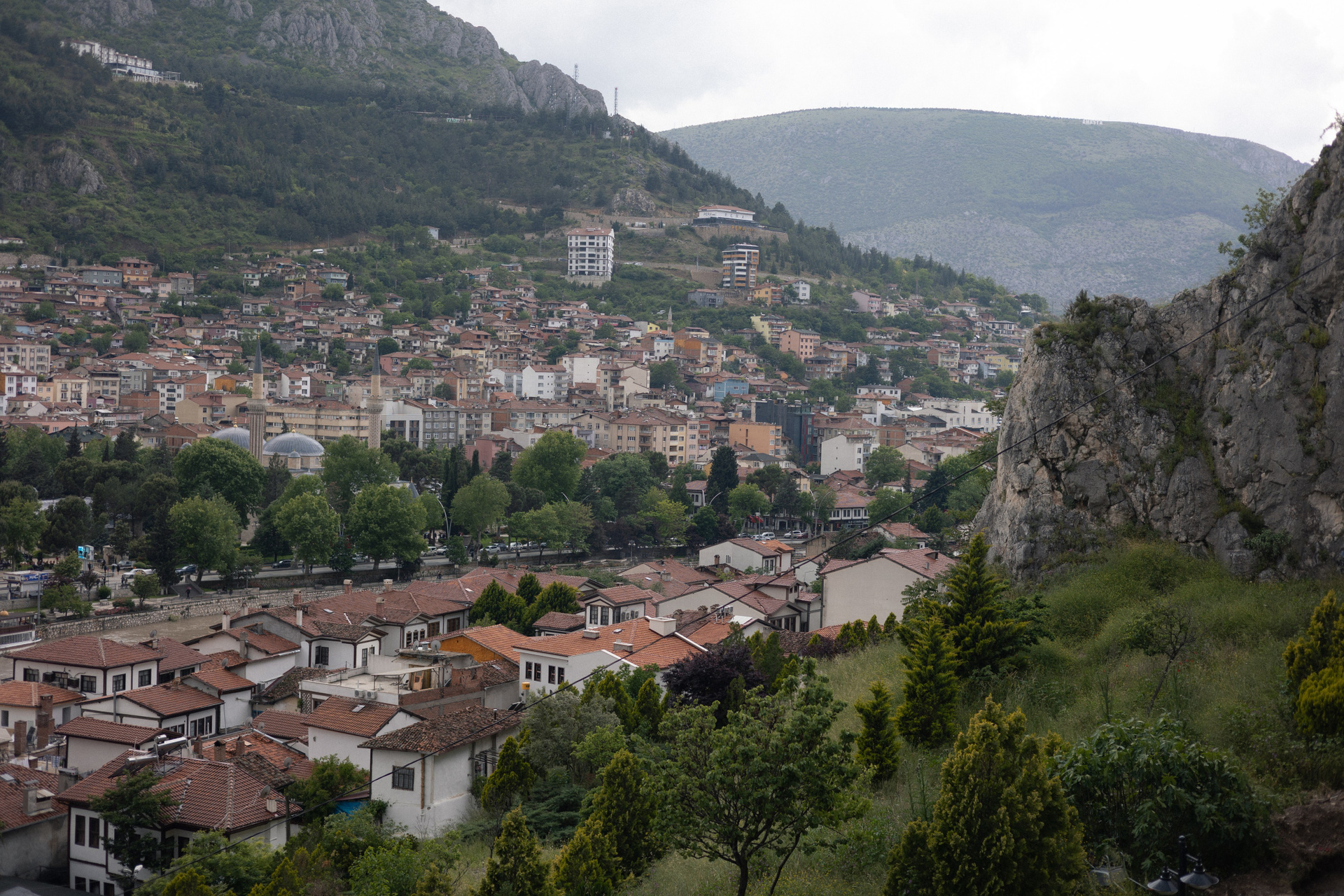
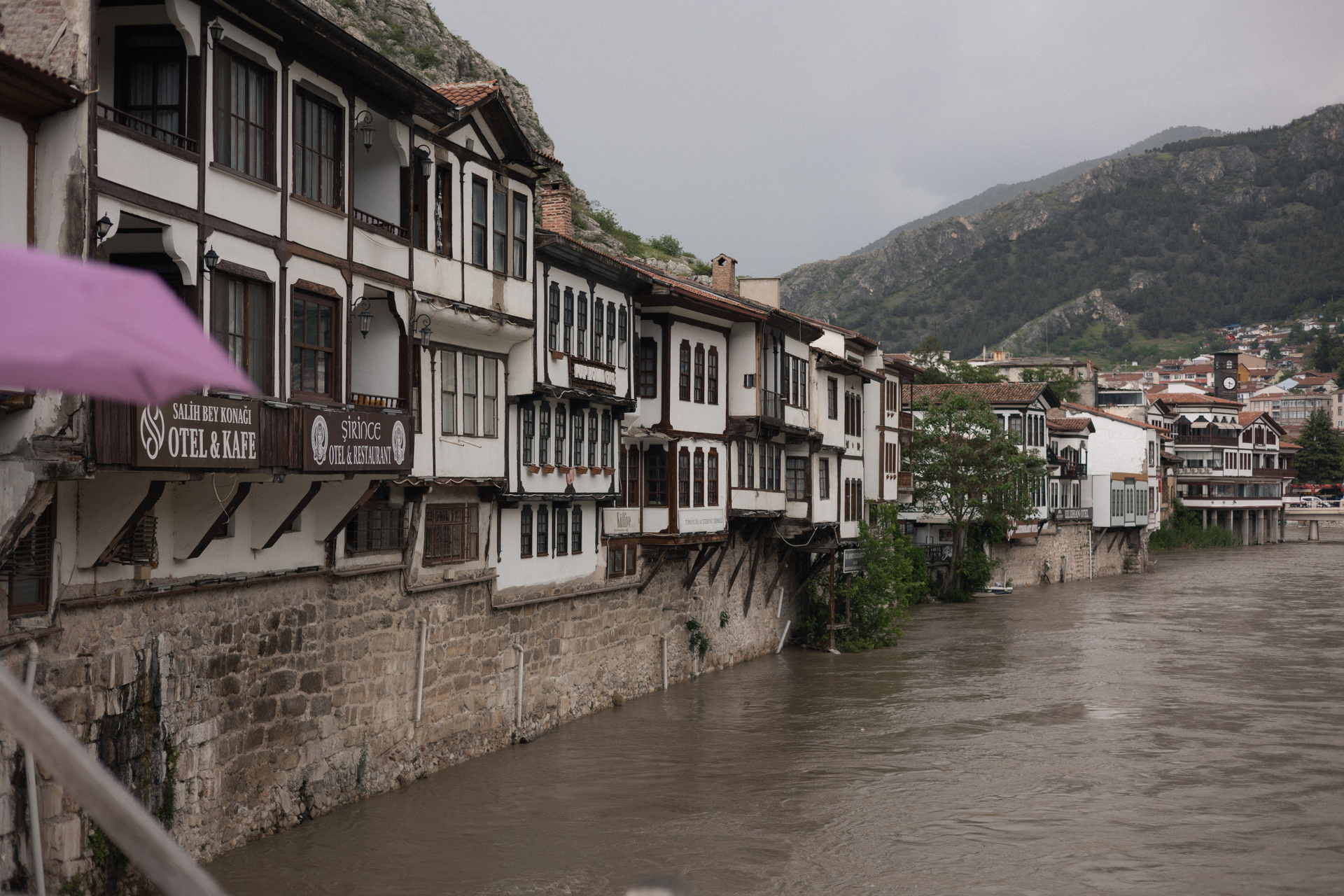
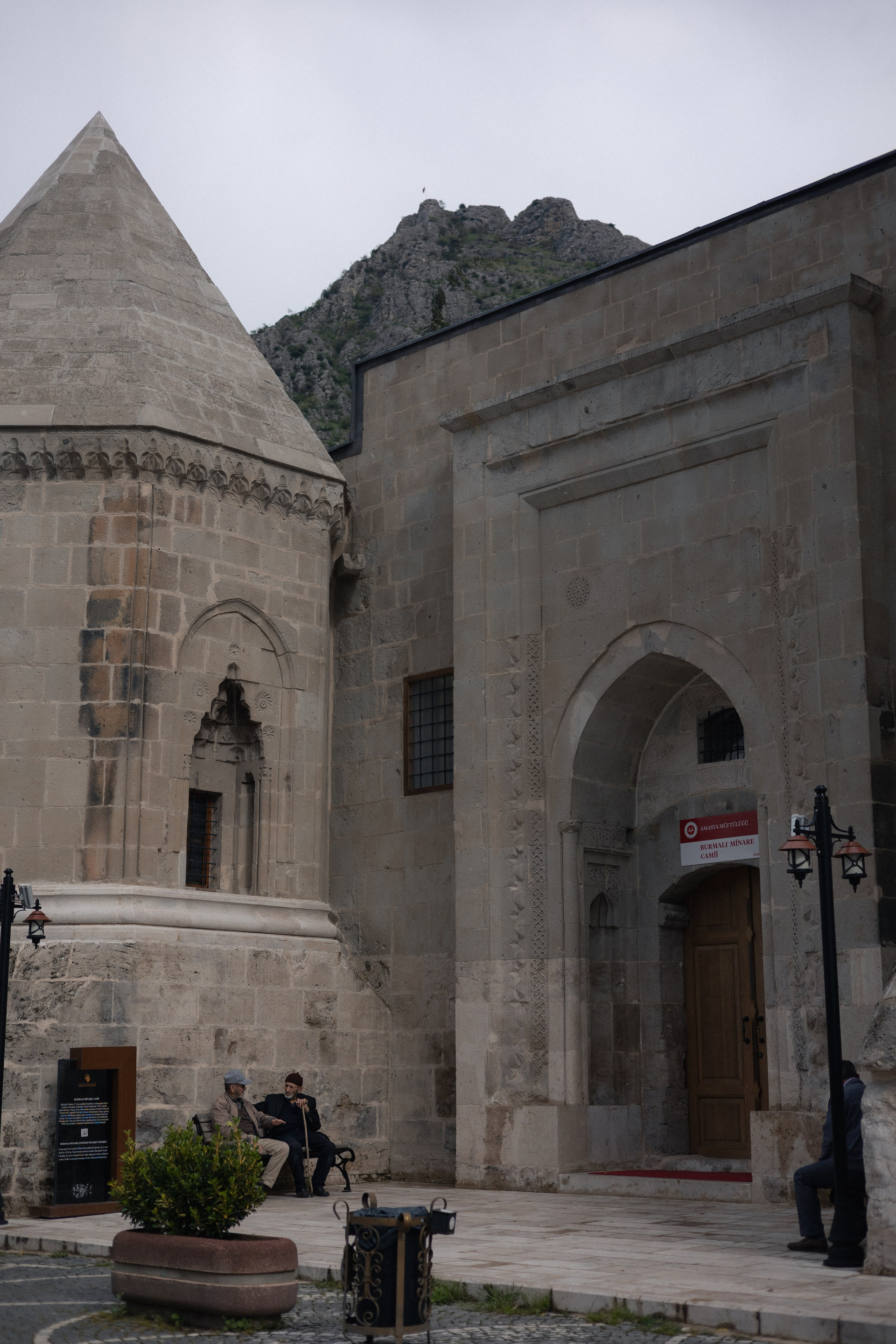
We returned to Istanbul through Amasya, the city of Ottoman princes. Before ascending the throne, many future sultans were sent here to learn the art of governing.
The city is filled with busts of former sultans who once served as governors here and is divided in two by a river with an astonishingly strong current.
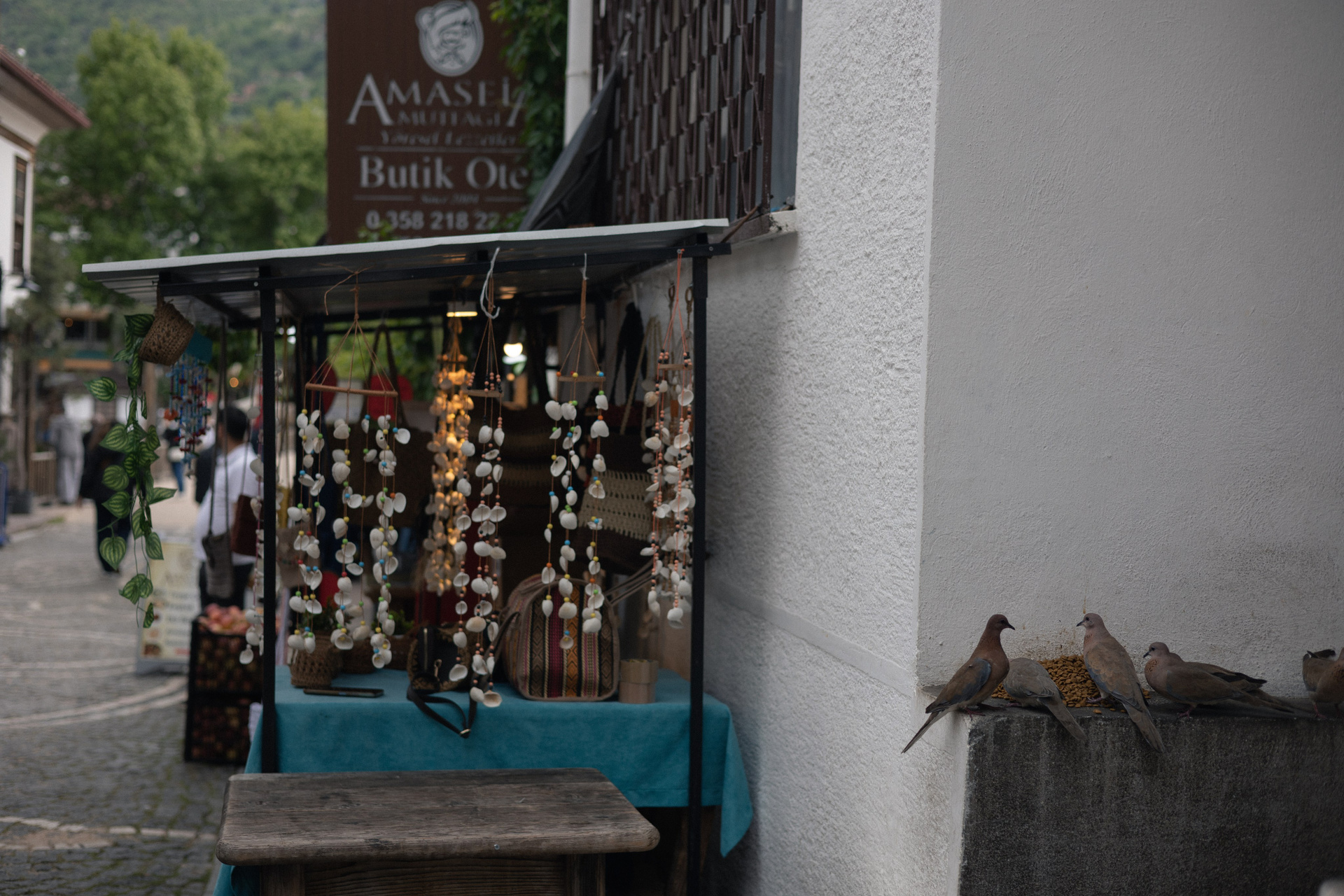
With its hotels located in historic mansions, Amasya leaves a distinctly Ottoman aftertaste. The city is also famous for its apples. Apple desserts, apple tea, apple ice cream — apples are everywhere.
If you have the opportunity to explore Turkey by car or as part of a cruise itinerary, I truly recommend it. The experience feels as if you have travelled through half of Europe and Asia at the same time.
As for me, I definitely plan to keep doing more trips like this